
New Ideas for Outdoor Advertising (Out-of-Home Advertising)
Friday, 28 Jun 2024

PT Lestari Dev Solusindo
Aldeoz Building Lt. 6, Jl. Wr. Jati Barat No.39, RT.2/RW.4, Kalibata, Pancoran, Jakarta Selatan, DKI Jakarta, 12740.
+6281389455717 - contact@lestariads.com
www.lestariads.com

Out-of-home (OOH) advertising has become one of the most effective media for reaching audiences in Indonesia. With the rapid development of technology and shifting consumer trends, OOH advertising is no longer just a marketing tool—it can also play a significant role in supporting a company’s Corporate Social Responsibility (CSR) strategy. In Indonesia, where awareness of social and environmental issues is growing, OOH advertising offers companies an opportunity to reinforce their commitment to CSR while creating a positive impact on society.
Corporate Social Responsibility (CSR) refers to a concept where companies engage in activities that benefit society and the environment, in addition to seeking financial profits. CSR initiatives can range from environmental programs and social aid to education, health, and community empowerment. In Indonesia, more and more consumers value companies that show genuine concern for sustainability and social issues, making CSR a vital element of brand marketing and public trust.
OOH advertising has characteristics that make it highly effective for reaching wide audiences, both in urban and rural areas. With its highly visible format and accessibility, OOH holds great potential for supporting CSR messaging. Here are several reasons why OOH is a relevant channel for CSR campaigns:
1. Raising Public Awareness
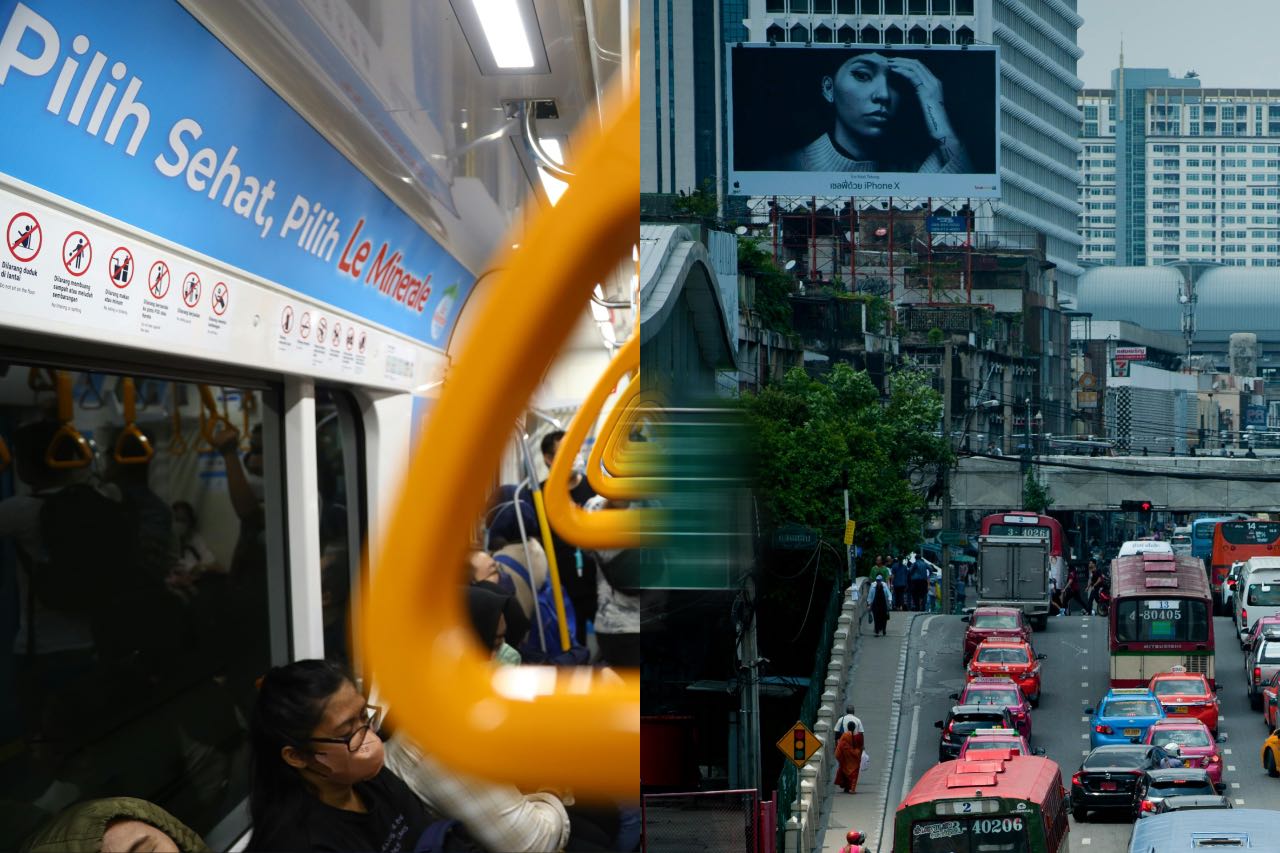
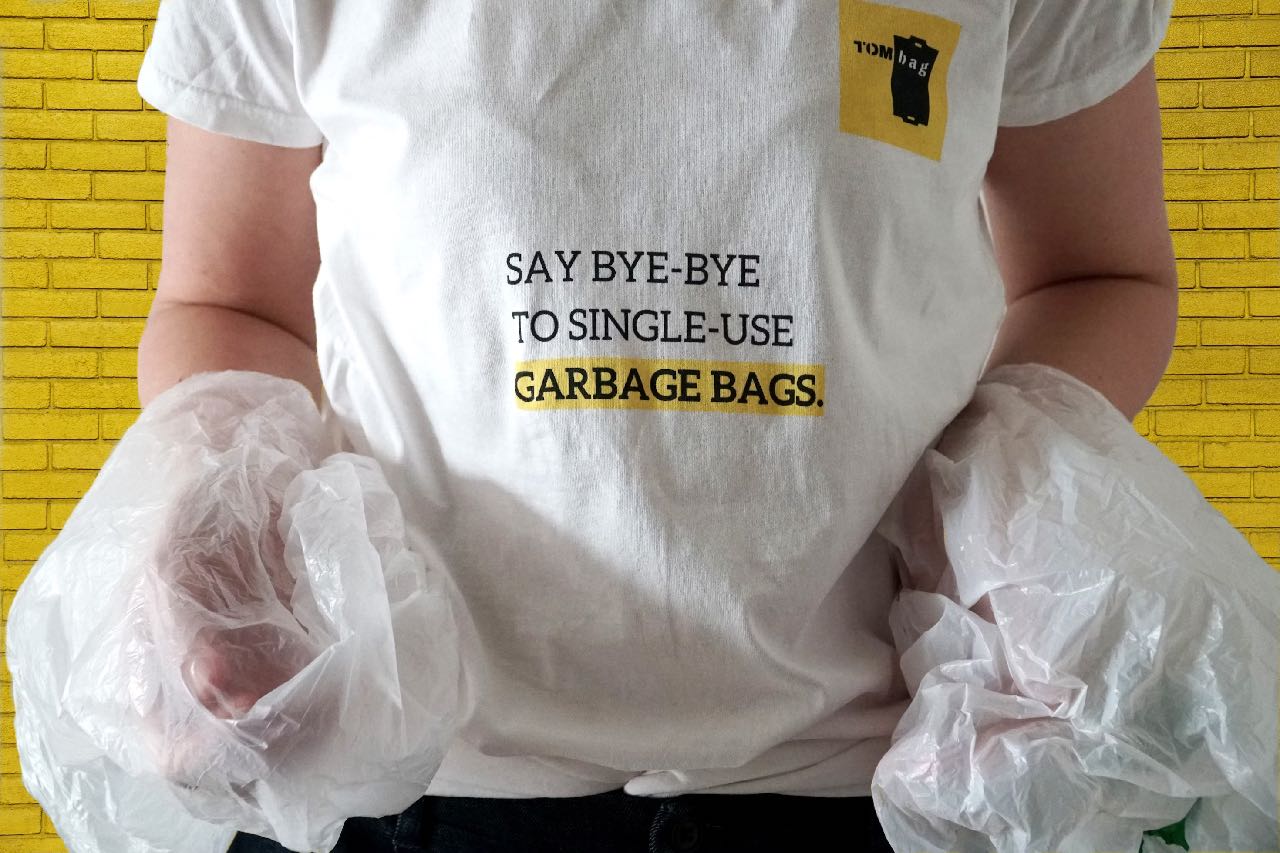
OOH advertising—such as billboards, digital signage, and transit ads—reaches large and diverse audiences. This gives companies the ability to share their CSR messages with more people. For example, companies focused on environmental issues can use OOH to educate the public about reducing plastic waste or conserving energy.
2. Reaching Diverse Demographics
Indonesia is a country rich in cultural, linguistic, and demographic diversity. OOH advertising allows companies to localize their CSR messaging according to regional audiences. For example, in Bali, a campaign can focus on environmental sustainability, while in Jakarta, the focus might be on education or health.
3. Delivering Direct Social Impact
Unlike digital media, which is often skipped or ignored, OOH—especially in strategic locations like shopping centers, public transport stops, or main roads—commands attention. With high visibility, OOH becomes a powerful medium to bring CSR messages directly to public attention, creating tangible social impact.
1. Environmental Campaigns by Oil & Gas Companies
Major energy companies like Pertamina have used OOH to support sustainability campaigns. For instance, campaigns promoting energy efficiency or renewable energy use are displayed in high-pollution areas like Jakarta to raise public awareness.
2. Health Programs by Pharmaceutical Companies
Pharmaceutical companies have used OOH to promote public health campaigns—such as vaccinations or disease prevention—using digital billboards in public areas. These ads help disseminate important health information to broad audiences.
3. Social Campaigns by Tech Companies
Technology companies like Gojek and Tokopedia have used OOH to support CSR initiatives like women’s empowerment and education for underprivileged children. In Jakarta, they’ve advertised free education programs targeted at marginalized communities.
1. Enhancing Brand Image
Companies that actively show their CSR commitment through OOH campaigns can build a strong positive brand image. For example, companies supporting education, nature conservation, or public health will be remembered as socially responsible brands, which strengthens customer loyalty.
2. Boosting Public Engagement
Creative and compelling CSR campaigns through OOH can spark public interest and involvement. For example, OOH ads can include QR codes for donations or volunteer sign-ups, fostering interaction between brands and the public.
3. Expanding the Reach of CSR Campaigns
With technological advancements, OOH is becoming more interactive. Digital screens allow companies to deliver dynamic CSR messages, tailored by time or location. This flexibility enables companies to reach more people in strategic locations like airports, malls, and highways.
Despite the benefits, there are some challenges companies must navigate:
1. High Costs
OOH ads in prime locations—especially in major cities like Jakarta or Surabaya—can be expensive. For small and medium-sized enterprises, this can be a limiting factor.
2. Limited Real-Time Flexibility
While digital OOH allows for some flexibility, many OOH formats are still static. Companies must plan carefully, as updates or changes cannot be made instantly.
3. Difficulty in Measuring Impact
It can be challenging to measure the real impact of a CSR campaign via OOH. While there are tools to track visibility or impressions, it’s harder to assess whether the message led to behavioral or social change.
OOH advertising plays an important role in supporting CSR strategies in Indonesia. With its broad reach, high visibility, and ability to deliver direct messages, OOH allows companies not only to promote their products or services but also to contribute to meaningful social change. While there are challenges to consider, strategic and creative use of OOH for CSR can generate significant value for the company, the community, and the environment. Companies that use OOH as part of their CSR strategy will not only strengthen their brand reputation but also help build a better society.


by Nadjwa Tsuraya
Friday, 28 Jun 2024

Thursday, 14 Nov 2024

Thursday, 19 Dec 2024

Thursday, 27 Jun 2024

Wednesday, 19 Feb 2025

Lestari Ads Agency - PT Lestari Dev Solusindo
Lestari Ads is a leading out-of-home media company with the largest network in Indonesia. We believe the world is a canvas. Every advertisement is an opportunity to inspire, engage, and transform public spaces. We continuously push boundaries in Out-Of-Home (OOH) advertising, changing the way brands interact with audiences beyond the digital screen, bringing stories to life where people live, move, and connect.
The most trusted OOH advertising agency in Indonesia
Experience the top of visibility with Indonesia's leading out-of-home (OOH) advertising agency. We specialize in turning the urban landscape into a dynamic canvas for your brand, crafting compelling narratives that capture the imagination of millions. Our mastery over strategic placements and innovative formats ensures your message not only reaches, but resonates with a diverse and expansive audience. With a proven track record of delivering high-impact campaigns across Indonesia's bustling cities and beyond, we redefine what's possible in OOH advertising.
Find the best quality billboard advertising space with variety of size and dimension
out-of-home advertising, digital billboards, traditional billboards, transit advertising, street furniture advertising, outdoor signage, digital ooh, led billboards, static billboards, large format advertising, advertising displays, ooh media, advertising billboards, outdoor digital screens, urban advertising, roadside billboards, digital signage, retail advertising, poster advertising, mobile billboard advertising, digital transit ads, interactive ooh, airport advertising, mall advertising, cinema advertising, sports venue advertising, digital outdoor advertising, public transportation ads, taxi advertising, bus shelter ads, pedestrian advertising, advertising kiosks, outdoor media solutions, billboard marketing, ooh advertising strategies, ooh media planning, digital billboard solutions, smart billboard advertising, contextual ooh ads, geotargeted ooh ads, location-based ooh, smart outdoor ads, programmatic ooh, data-driven ooh, brand awareness billboards, large-scale ooh campaigns, outdoor advertising effectiveness, billboard design, high-traffic billboard locations, hyperlocal ooh, street-level ooh, public transit advertising, ooh campaign management, outdoor digital displays, media buyers ooh, roadside digital ads, metro station advertising, shopping center ads, ooh advertising trends, outdoor media buying, bus wrap advertising, illuminated billboards, building wrap advertising, branded outdoor advertising, billboard networks, freeway advertising, expressway billboards, train station advertising, out-of-home advertising campaigns, event-based ooh ads, ooh media buying strategies, proximity-based ooh, national ooh campaigns, city-wide ooh advertising, large-scale outdoor campaigns, integrated ooh solutions, ooh digital networks, smart city advertising, mobile billboard solutions, dynamic outdoor ads, highway billboard advertising, ooh media optimization, digital out-of-home screens, high-impact ooh ads, retail digital signage, interactive billboard advertising, regional ooh advertising, local outdoor advertising, consumer engagement ooh, brand visibility outdoor ads, targeted billboard advertising, digital advertising screens, urban billboard advertising, weather-triggered ooh ads, motion sensor billboards, flexible ooh solutions, sustainable outdoor advertising, renewable energy billboards, solar-powered billboards, ooh for small businesses, outdoor brand activations.
Frequently Ask Questions
About Us