
Transjakarta Bus Advertising Price
Tuesday, 5 Nov 2024

PT Lestari Dev Solusindo
Aldeoz Building Lt. 6, Jl. Wr. Jati Barat No.39, RT.2/RW.4, Kalibata, Pancoran, Jakarta Selatan, DKI Jakarta, 12740.
+6281389455717 - contact@lestariads.com
www.lestariads.com

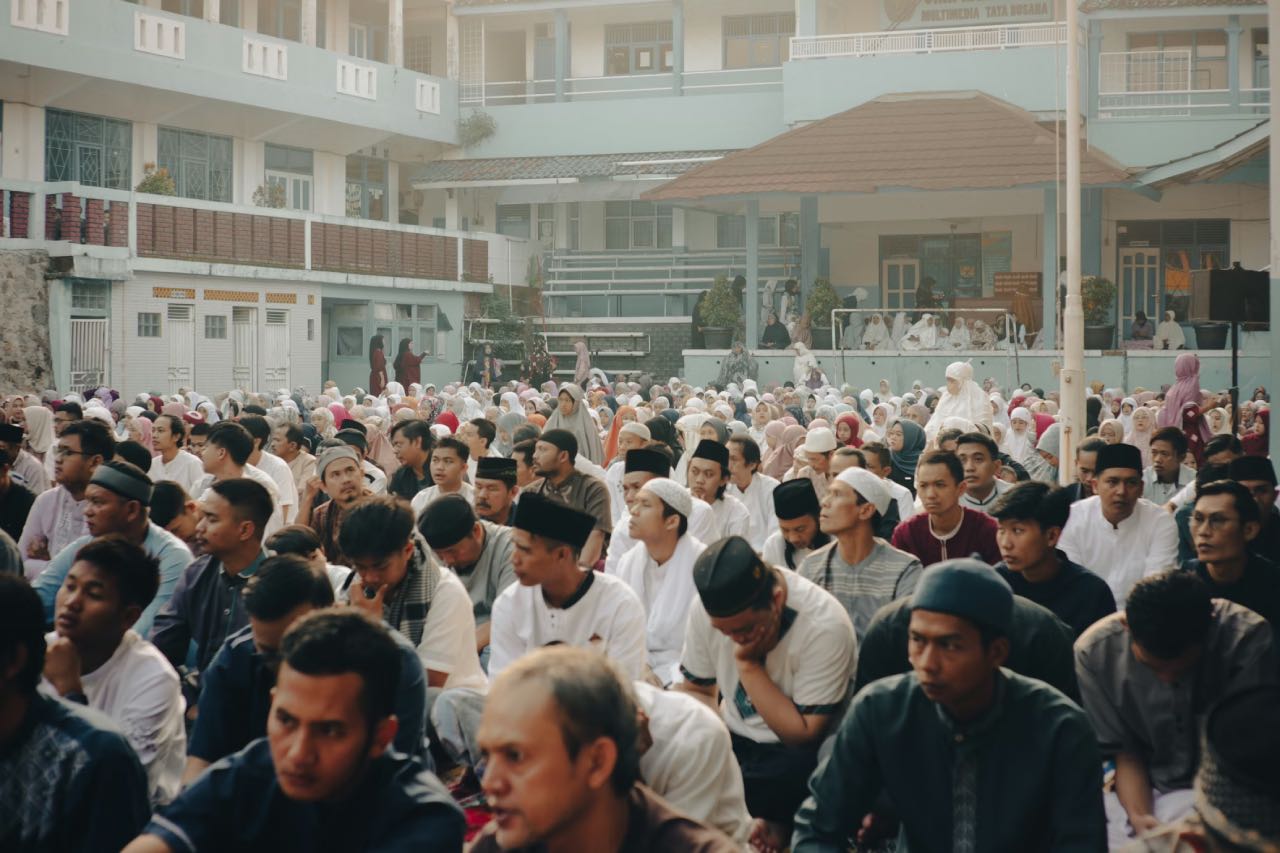
As the country with the largest Muslim population in the world, Indonesia experiences a unique shift in lifestyle, mobility, and consumer behavior during this sacred month. From pre-dawn meals (sahur) to evening gatherings for iftar, from charity initiatives to family reunions, the rhythm of the nation changes.
And as Ramadan approaches its peak, the celebration of Lebaran (Eid al-Fitr) becomes one of the most powerful annual moments in the country.
Ramadan and Lebaran consistently drive one of the highest spending periods of the year in Indonesia.
Key patterns include:
Lebaran is often described as Indonesia’s “second New Year.” With the distribution of THR (holiday allowance), family gifting traditions, and celebratory gatherings, purchasing power rises noticeably across all segments of society.
This period represents both emotional significance and economic acceleration.
One of the most defining traditions before Lebaran is mudik the annual homecoming journey. Millions of people travel from major urban centers back to their hometowns across the archipelago. Roads, toll highways, airports, ports, and train stations experience dramatic increases in activity.
This large-scale mobility creates:
Few countries experience a seasonal movement of this scale.
During Ramadan, daily routines shift. Daytime may feel slower, but evenings become vibrant. Major cities such as Jakarta, Surabaya, and Medan remain active late into the night. After breaking fast, people gather in malls, restaurants, public spaces, and entertainment districts.
Shopping peaks in the final 10 days before Lebaran. Public spaces become highly dynamic environments filled with families and young consumers.
The atmosphere is energetic, emotional, and deeply communal.
Ramadan and Lebaran represent more than consumption patterns. They reflect Indonesia’s identity faith, togetherness, generosity, and celebration.
For businesses, media owners, and marketers observing from abroad, this season offers insight into:
Understanding Ramadan in Indonesia means understanding one of the most influential annual cycles in Southeast Asia.
Ramadan and Lebaran in Indonesia are not simply dates on a calendar. They represent a collective movement emotionally, culturally, and economically.
For one month, daily routines shift. Cities glow after sunset. Transportation networks pulse with movement. Families reunite. Spending rises. Traditions come alive.


by Nadjwa Tsuraya
Tuesday, 5 Nov 2024
Wednesday, 5 Aug 2026
Wednesday, 7 Jun 2023

Thursday, 1 Jun 2023

Lestari Ads Agency - PT Lestari Dev Solusindo
Lestari Ads is a leading out-of-home media company with the largest network in Indonesia. We believe the world is a canvas. Every advertisement is an opportunity to inspire, engage, and transform public spaces. We continuously push boundaries in Out-Of-Home (OOH) advertising, changing the way brands interact with audiences beyond the digital screen, bringing stories to life where people live, move, and connect.
The most trusted OOH advertising agency in Indonesia
Experience the top of visibility with Indonesia's leading out-of-home (OOH) advertising agency. We specialize in turning the urban landscape into a dynamic canvas for your brand, crafting compelling narratives that capture the imagination of millions. Our mastery over strategic placements and innovative formats ensures your message not only reaches, but resonates with a diverse and expansive audience. With a proven track record of delivering high-impact campaigns across Indonesia's bustling cities and beyond, we redefine what's possible in OOH advertising.
Find the best quality billboard advertising space with variety of size and dimension
out-of-home advertising, digital billboards, traditional billboards, transit advertising, street furniture advertising, outdoor signage, digital ooh, led billboards, static billboards, large format advertising, advertising displays, ooh media, advertising billboards, outdoor digital screens, urban advertising, roadside billboards, digital signage, retail advertising, poster advertising, mobile billboard advertising, digital transit ads, interactive ooh, airport advertising, mall advertising, cinema advertising, sports venue advertising, digital outdoor advertising, public transportation ads, taxi advertising, bus shelter ads, pedestrian advertising, advertising kiosks, outdoor media solutions, billboard marketing, ooh advertising strategies, ooh media planning, digital billboard solutions, smart billboard advertising, contextual ooh ads, geotargeted ooh ads, location-based ooh, smart outdoor ads, programmatic ooh, data-driven ooh, brand awareness billboards, large-scale ooh campaigns, outdoor advertising effectiveness, billboard design, high-traffic billboard locations, hyperlocal ooh, street-level ooh, public transit advertising, ooh campaign management, outdoor digital displays, media buyers ooh, roadside digital ads, metro station advertising, shopping center ads, ooh advertising trends, outdoor media buying, bus wrap advertising, illuminated billboards, building wrap advertising, branded outdoor advertising, billboard networks, freeway advertising, expressway billboards, train station advertising, out-of-home advertising campaigns, event-based ooh ads, ooh media buying strategies, proximity-based ooh, national ooh campaigns, city-wide ooh advertising, large-scale outdoor campaigns, integrated ooh solutions, ooh digital networks, smart city advertising, mobile billboard solutions, dynamic outdoor ads, highway billboard advertising, ooh media optimization, digital out-of-home screens, high-impact ooh ads, retail digital signage, interactive billboard advertising, regional ooh advertising, local outdoor advertising, consumer engagement ooh, brand visibility outdoor ads, targeted billboard advertising, digital advertising screens, urban billboard advertising, weather-triggered ooh ads, motion sensor billboards, flexible ooh solutions, sustainable outdoor advertising, renewable energy billboards, solar-powered billboards, ooh for small businesses, outdoor brand activations.
Frequently Ask Questions
About Us