
Monday, 19 May 2025 —
527 views —
by superadmin
Entering a new market requires a strategic approach especially in a country as populous and culturally complex as Indonesia. For international brands aiming to build presence and make a real impact from day one, Out-of-Home (OOH) advertising is one of the most effective ways to generate strong and rapid awareness.
This article explores how a new brand can design a successful OOH strategy in Indonesia particularly in Jakarta within the first 30 days of launch.
Key Objectives in the Early Stage
When first entering the Indonesian market, most brands typically aim to:
- Introduce the brand’s name and visual identity to local audiences
- Build a positive and culturally relevant perception
- Establish a visible presence in public spaces
- Drive audiences to digital channels or points of sale
When used correctly, OOH can support all four goals simultaneously.
Choosing the Right Locations and Media Formats
The key to effective OOH advertising in Indonesia lies in choosing strategic locations and media formats that align with local behavior.
1. Focus on High-Density Areas
Major cities like Jakarta offer numerous strategic points with heavy vehicle and pedestrian traffic. Priority areas include:
- Sudirman - Thamrin corridor - the business and government hub
- Inner-city toll roads and airport access points - ideal for large-format ads
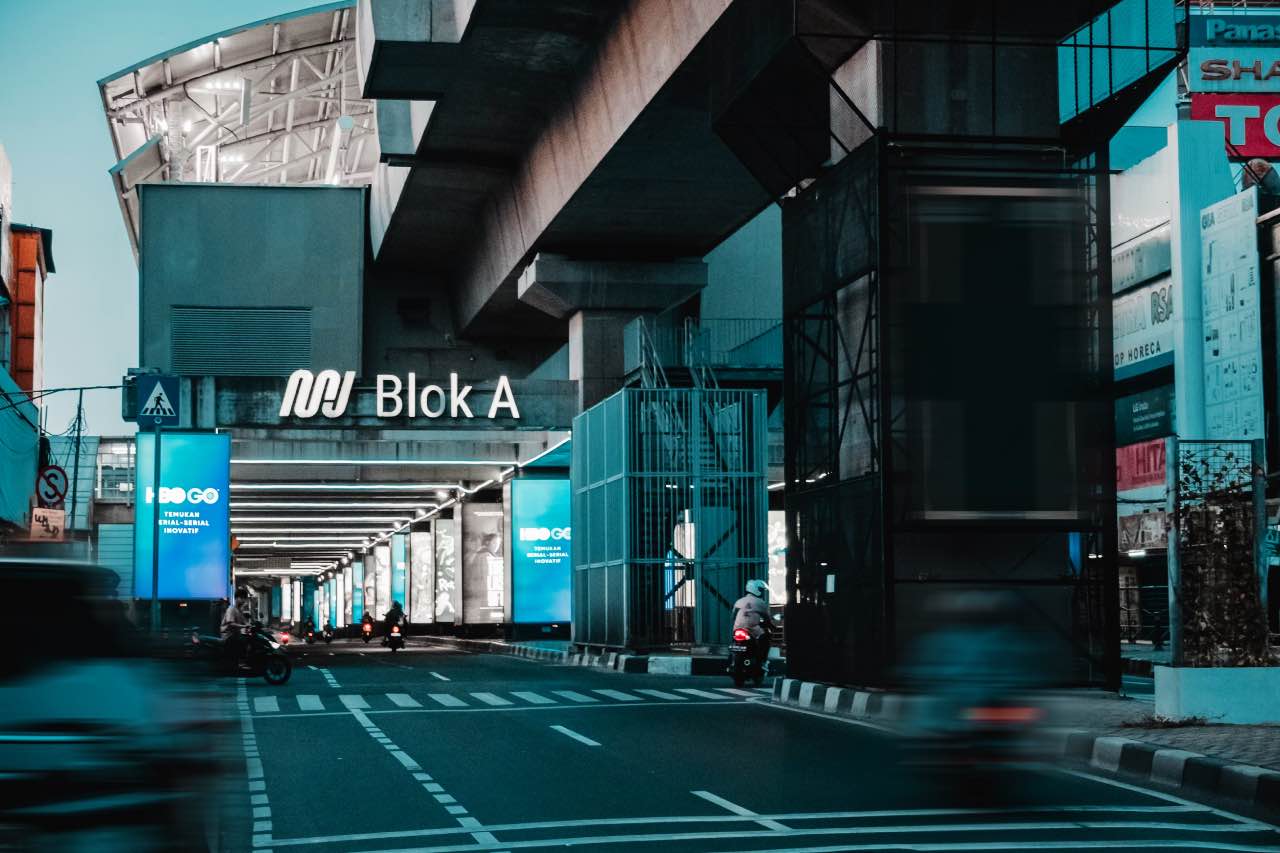
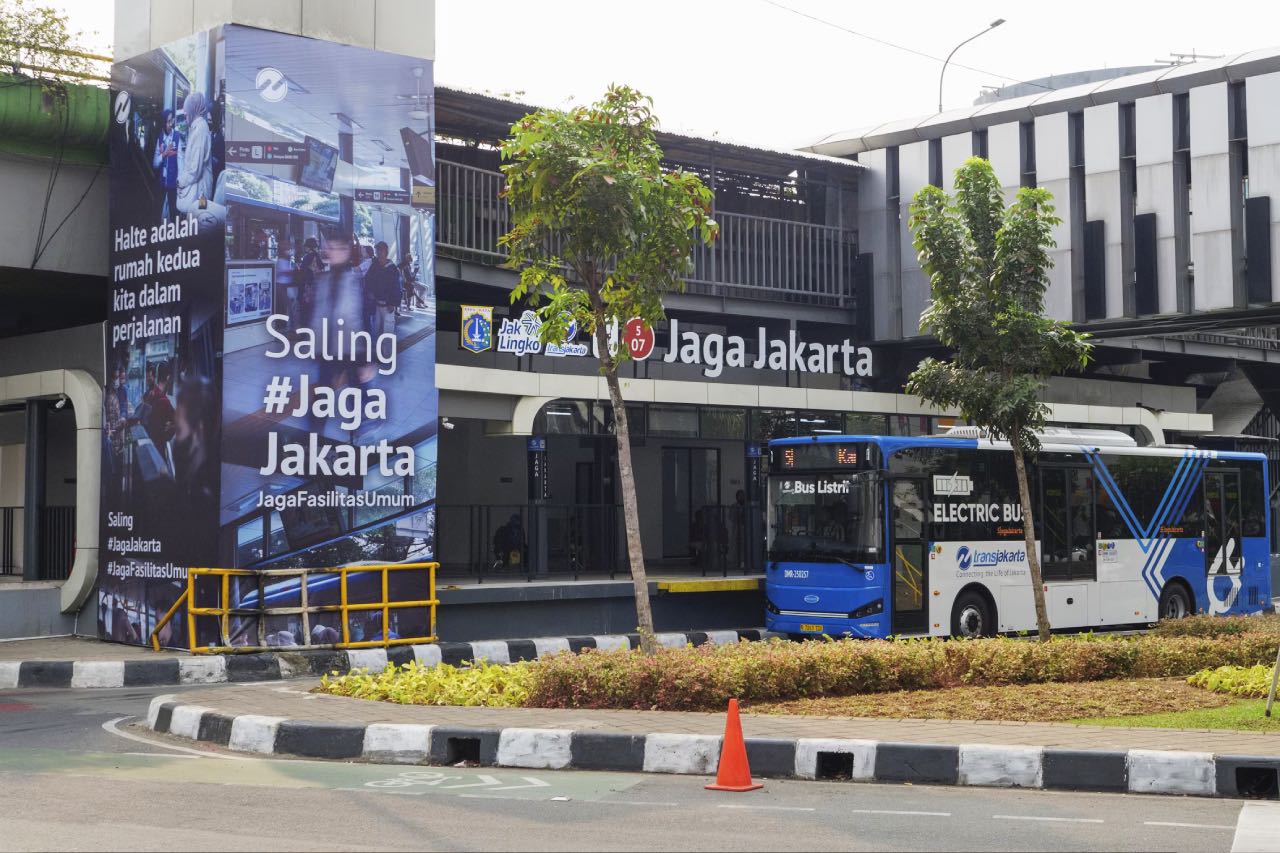
- MRT/LRT stations and TransJakarta bus stops - great for reaching urban commuters
- Lifestyle districts (Senayan, SCBD, Kemang) - suitable for fashion, tech, or F&B brands
2. Combine Static and Digital Formats
Using a mix of formats helps increase exposure frequency and extend reach:
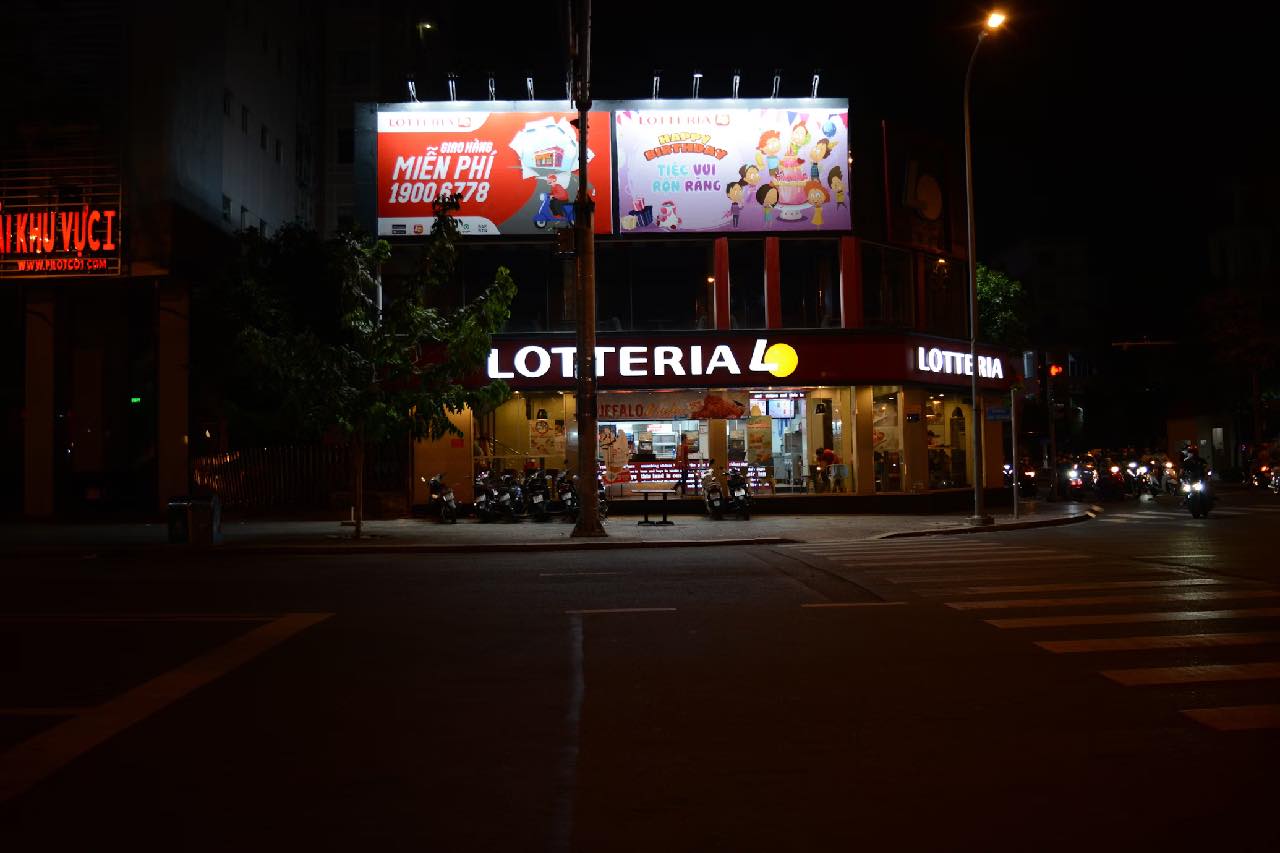
- Traditional billboards for broad awareness
- Digital OOH (LED) for dynamic messaging aligned with online campaigns
- Vehicle branding for mobility and extra impressions across routes
- Indoor video screens in malls and office buildings
Integration with Digital Campaigns
OOH doesn’t work in isolation. When connected with digital channels, offline campaigns can amplify results and increase audience engagement.
Examples of integrated strategies:
- Use QR codes on billboards leading to promotional pages or social media
- Synchronize visuals and messaging across OOH and Instagram/TikTok content
- Encourage user-generated content with a dedicated campaign hashtag
- Track digital performance by geolocating traffic from OOH-covered areas
30-Day Activation Plan
Here’s an ideal rollout timeline for a new brand:
Week 1 - 2: Visual Introduction
- Showcase brand identity (logo, colors, tagline) on a large scale
- Focus on high-traffic areas and city centers
Week 3: Brand Narrative and Call to Action
- Communicate the brand’s unique value and product benefits
- Add a call-to-action directing people to your website or store
Week 4: Social Activation & Local Relevance
- Integrate with local moments (weather, events, social media trends)
- Encourage online interaction through location-based campaign content
Measuring and Evaluating Impact
Though OOH is an offline channel, its impact can be measured through various indicators:
- Website or landing page visits from specific regions
- Brand search volume increases in Google Trends
- Social media engagement during the campaign period
- Local brand awareness surveys via research partners
Conclusion
For international brands seeking a strong presence in Indonesia, OOH is more than just a promotional tool it’s the first step toward building emotional and visual connections with the public. With the right strategy, consistent exposure, and digital integration, OOH advertising can shape positive brand perception and accelerate growth in a short period. Planning to launch your brand in Indonesia? Consider making OOH the foundation of your communications strategy.