
Successful OOH Advertising Campaigns in Indonesia: A Case Study
Monday, 1 Jul 2024

PT Lestari Dev Solusindo
Aldeoz Building Lt. 6, Jl. Wr. Jati Barat No.39, RT.2/RW.4, Kalibata, Pancoran, Jakarta Selatan, DKI Jakarta, 12740.
+6281389455717 - contact@lestariads.com
www.lestariads.com

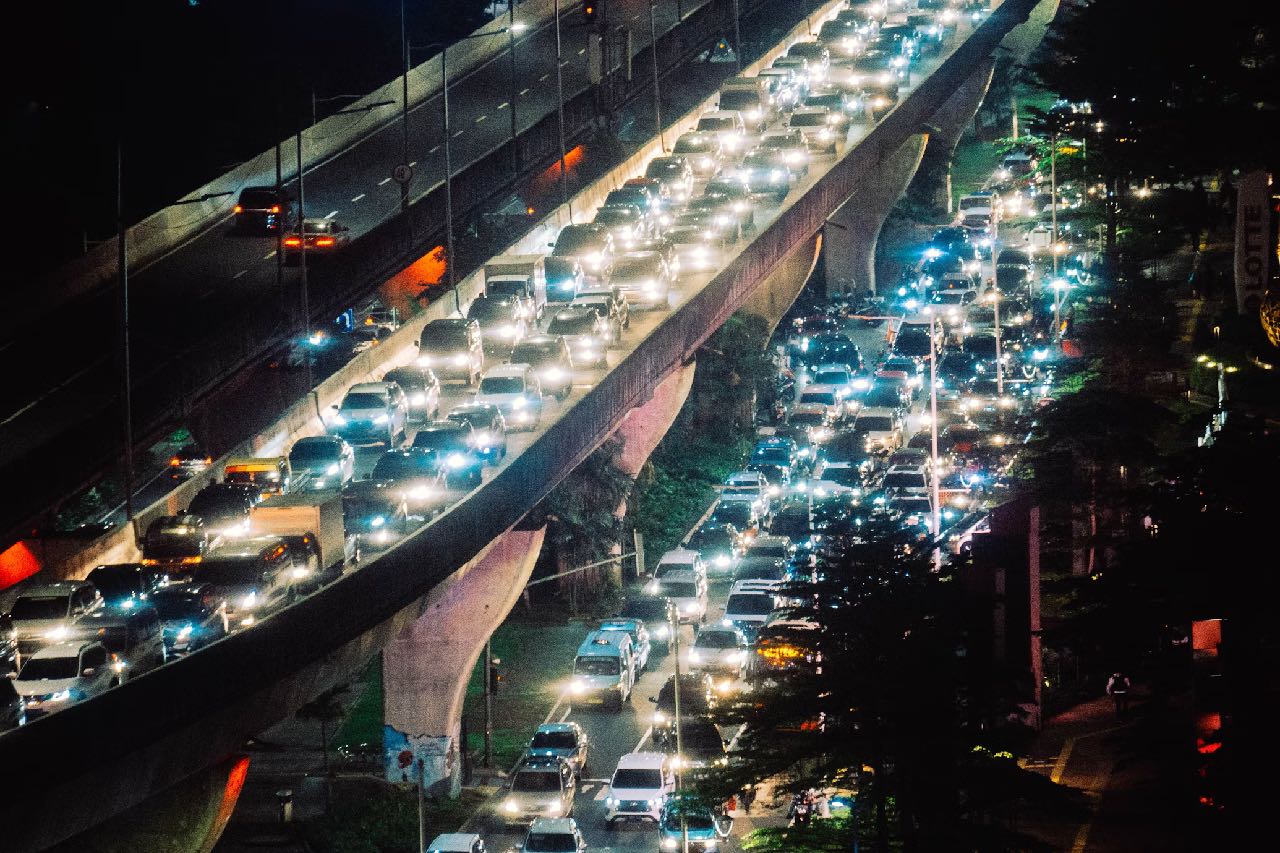
Jakarta is one of the busiest cities in the world. With millions of vehicles moving daily, its roads form the lifeline of Indonesia’s capital. For advertisers, this endless flow of traffic presents a unique opportunity: every delay, every red light, and every crowded intersection becomes a potential moment of brand exposure.
Out-of-home (OOH) advertising in Jakarta is not just about putting up billboards. It is about understanding the rhythm of the city, where movement and congestion merge to create one of the most powerful audience networks in Southeast Asia.
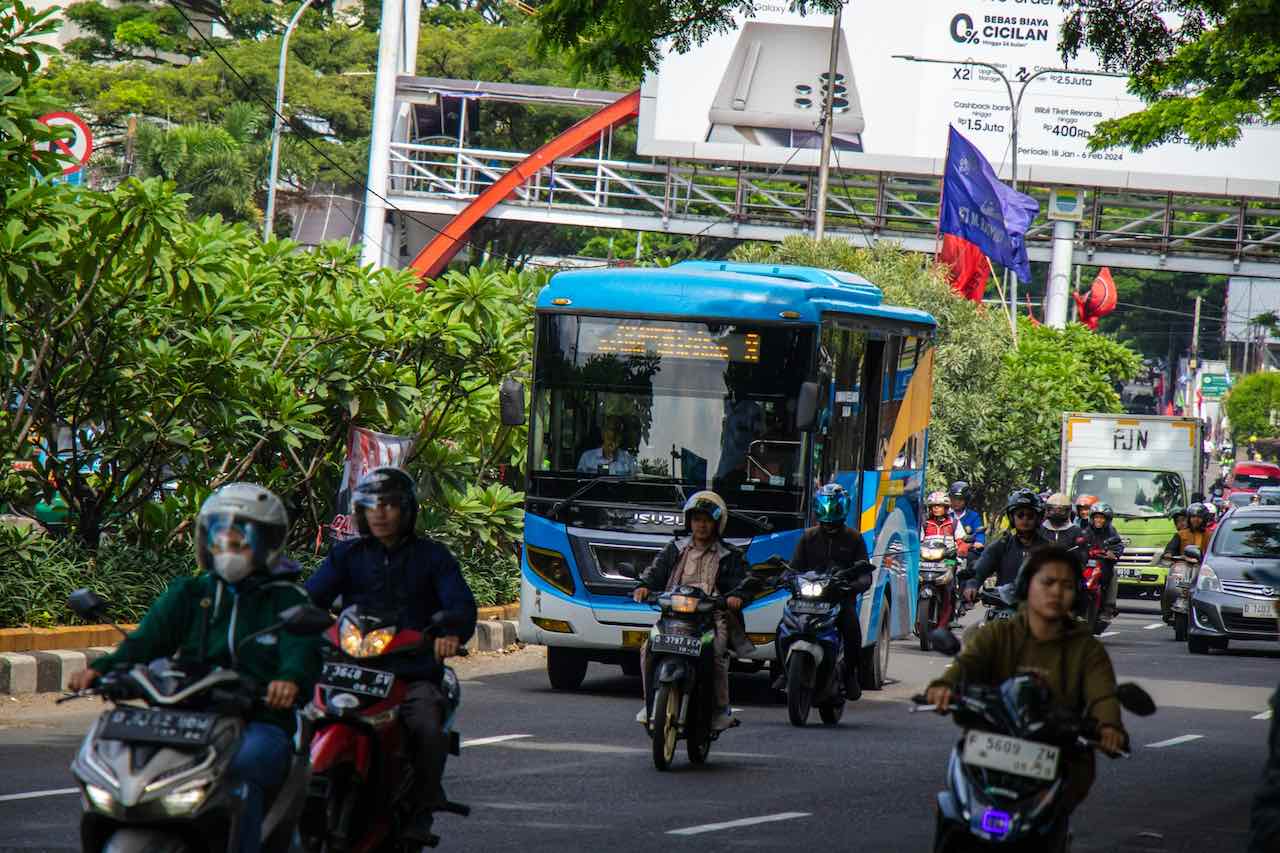
Jakarta’s traffic, often seen as a challenge for commuters, turns into an advantage for advertisers. The average Jakarta resident spends between 1.5 to 2 hours commuting each day. This means millions of eyes are on the road, constantly engaging with their surroundings.
Strategic placements along main corridors such as Sudirman, Gatot Subroto, and Thamrin ensure continuous exposure to office workers, drivers, and passengers. Even at lower speeds, these large-format visuals stay in view long enough to leave a lasting impression.
Jakarta’s growing public transport system adds another layer of opportunity. The TransJakarta bus network, MRT, and commuter trains are not just transit systems but high-visibility advertising platforms. Wrapped buses, station displays, and platform screens reach both daily commuters and tourists moving through the city.
For brands seeking mass reach, OOH within transit environments offers consistent impressions during key travel hours. Combining this with geolocation or digital triggers can turn static exposure into measurable engagement.
Certain areas of Jakarta have become signature locations for impactful OOH campaigns. The Sudirman-Thamrin CBD remains the core for premium placements, while Soekarno-Hatta Airport serves as the gateway to international audiences. Meanwhile, lifestyle hubs such as Senayan, Kemang, and Pantai Indah Kapuk offer valuable visibility among younger and more digital-savvy audiences.
Brands can maximize reach by analyzing mobility data to identify peak travel times and commuter flow. The combination of high-traffic density and strategic ad design ensures that every impression counts.
OOH in Jakarta thrives on creativity. As audiences move through heavy traffic, design simplicity becomes critical. Bright colors, strong typography, and concise messaging cut through visual clutter. When paired with digital extensions such as QR codes or hashtags, a static billboard transforms into an entry point for digital engagement.
Some brands also use motion-sensitive or LED billboards that adapt content based on time of day, weather, or live data, making the campaign feel more dynamic and localized.
In Jakarta, where traffic defines daily life, OOH has evolved from a passive medium to an integrated communication tool. For brands, success lies not just in visibility but in relevance. Every car that stops at a red light or moves through a busy intersection represents an opportunity to connect with consumers in real time.
Jakarta’s movement, when understood and used strategically, transforms from congestion into communication. The city’s traffic becomes not just a challenge to navigate but a living network that drives brand visibility forward.


by Milanello
Monday, 1 Jul 2024
Saturday, 7 Sep 2024

Sunday, 18 May 2025
Saturday, 25 Jul 2026

Lestari Ads Agency - PT Lestari Dev Solusindo
Lestari Ads is a leading out-of-home media company with the largest network in Indonesia. We believe the world is a canvas. Every advertisement is an opportunity to inspire, engage, and transform public spaces. We continuously push boundaries in Out-Of-Home (OOH) advertising, changing the way brands interact with audiences beyond the digital screen, bringing stories to life where people live, move, and connect.
The most trusted OOH advertising agency in Indonesia
Experience the top of visibility with Indonesia's leading out-of-home (OOH) advertising agency. We specialize in turning the urban landscape into a dynamic canvas for your brand, crafting compelling narratives that capture the imagination of millions. Our mastery over strategic placements and innovative formats ensures your message not only reaches, but resonates with a diverse and expansive audience. With a proven track record of delivering high-impact campaigns across Indonesia's bustling cities and beyond, we redefine what's possible in OOH advertising.
Find the best quality billboard advertising space with variety of size and dimension
out-of-home advertising, digital billboards, traditional billboards, transit advertising, street furniture advertising, outdoor signage, digital ooh, led billboards, static billboards, large format advertising, advertising displays, ooh media, advertising billboards, outdoor digital screens, urban advertising, roadside billboards, digital signage, retail advertising, poster advertising, mobile billboard advertising, digital transit ads, interactive ooh, airport advertising, mall advertising, cinema advertising, sports venue advertising, digital outdoor advertising, public transportation ads, taxi advertising, bus shelter ads, pedestrian advertising, advertising kiosks, outdoor media solutions, billboard marketing, ooh advertising strategies, ooh media planning, digital billboard solutions, smart billboard advertising, contextual ooh ads, geotargeted ooh ads, location-based ooh, smart outdoor ads, programmatic ooh, data-driven ooh, brand awareness billboards, large-scale ooh campaigns, outdoor advertising effectiveness, billboard design, high-traffic billboard locations, hyperlocal ooh, street-level ooh, public transit advertising, ooh campaign management, outdoor digital displays, media buyers ooh, roadside digital ads, metro station advertising, shopping center ads, ooh advertising trends, outdoor media buying, bus wrap advertising, illuminated billboards, building wrap advertising, branded outdoor advertising, billboard networks, freeway advertising, expressway billboards, train station advertising, out-of-home advertising campaigns, event-based ooh ads, ooh media buying strategies, proximity-based ooh, national ooh campaigns, city-wide ooh advertising, large-scale outdoor campaigns, integrated ooh solutions, ooh digital networks, smart city advertising, mobile billboard solutions, dynamic outdoor ads, highway billboard advertising, ooh media optimization, digital out-of-home screens, high-impact ooh ads, retail digital signage, interactive billboard advertising, regional ooh advertising, local outdoor advertising, consumer engagement ooh, brand visibility outdoor ads, targeted billboard advertising, digital advertising screens, urban billboard advertising, weather-triggered ooh ads, motion sensor billboards, flexible ooh solutions, sustainable outdoor advertising, renewable energy billboards, solar-powered billboards, ooh for small businesses, outdoor brand activations.
Frequently Ask Questions
About Us