
Complete Selection of Bus Advertising in Jakarta and Surrounding Cities
Thursday, 14 Nov 2024

PT Lestari Dev Solusindo
Aldeoz Building Lt. 6, Jl. Wr. Jati Barat No.39, RT.2/RW.4, Kalibata, Pancoran, Jakarta Selatan, DKI Jakarta, 12740.
+6281389455717 - contact@lestariads.com
www.lestariads.com

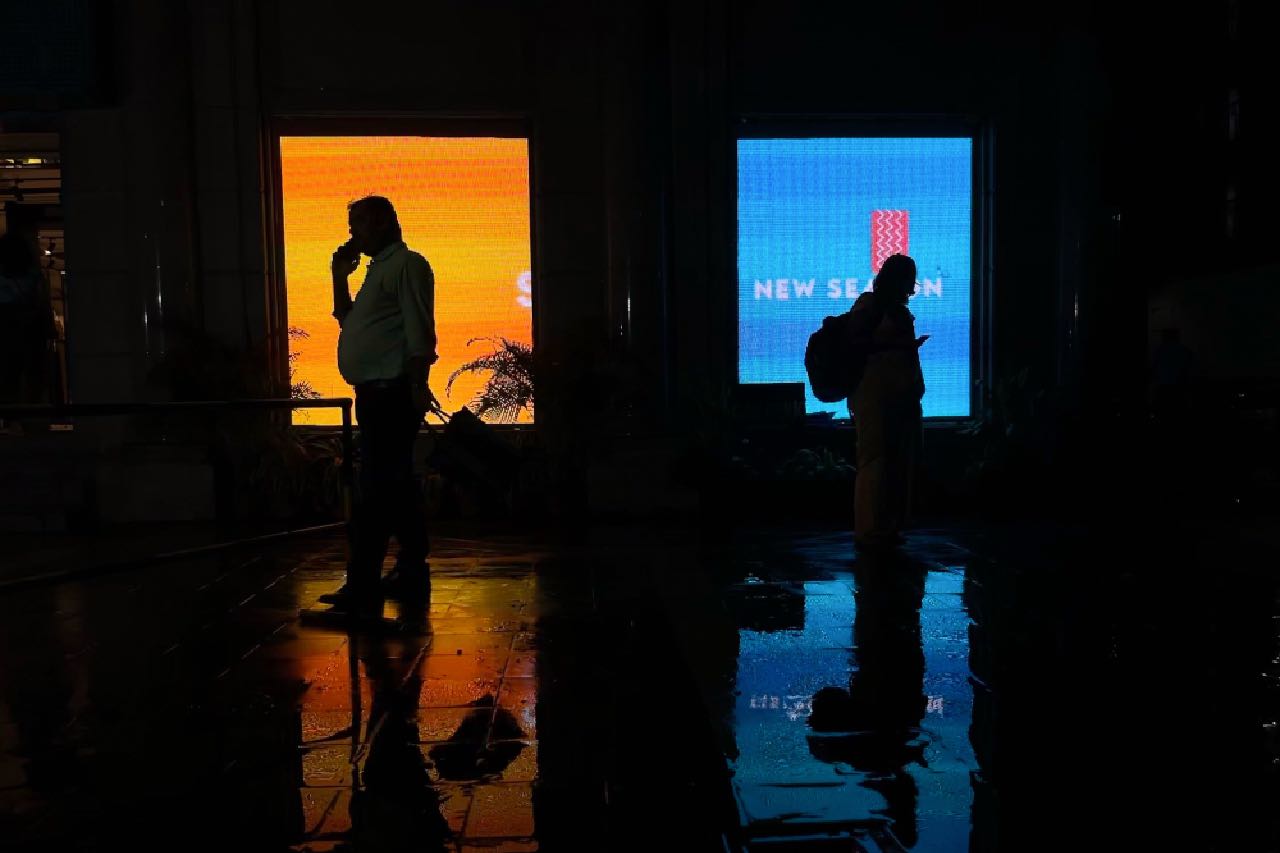
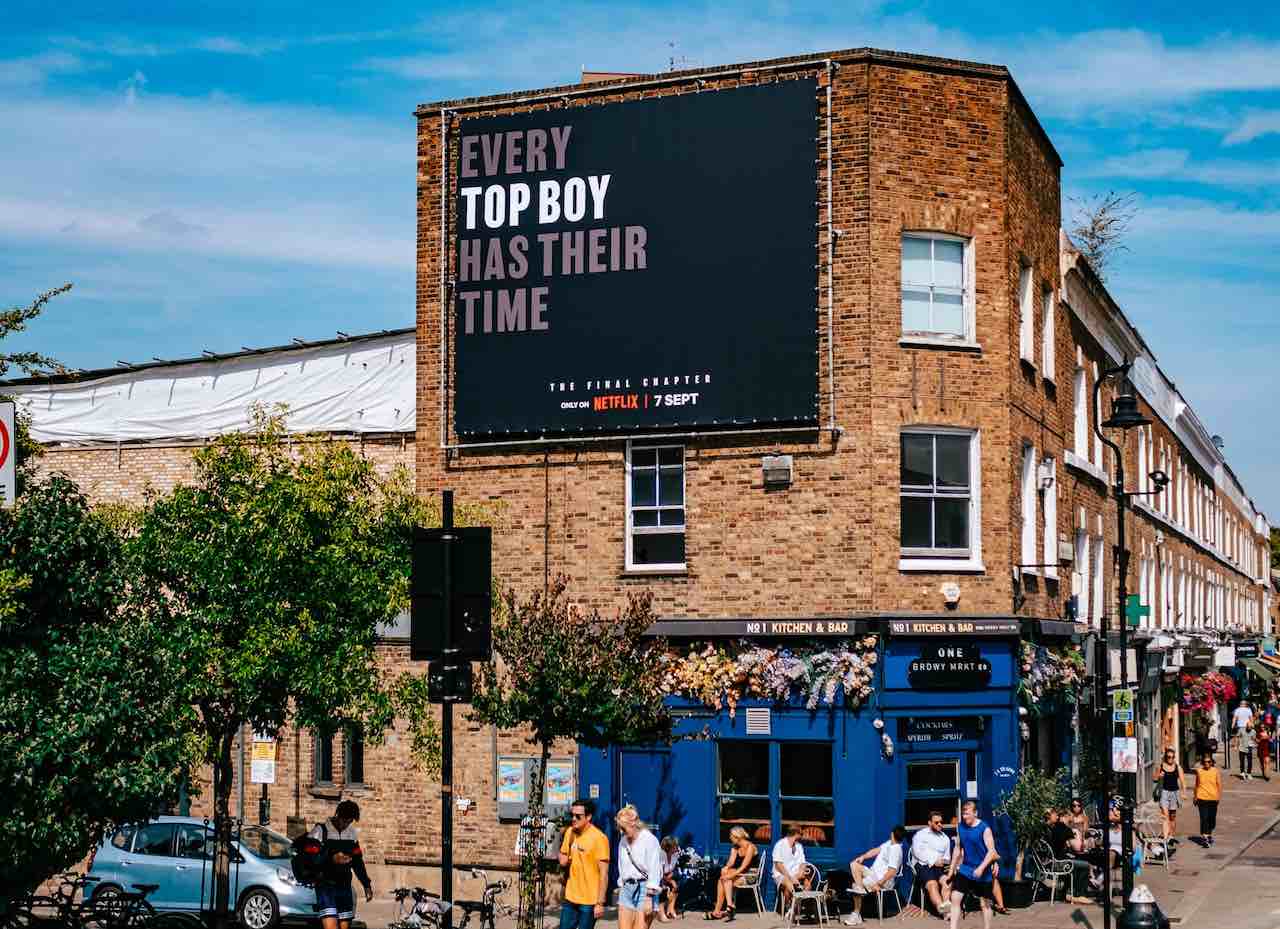
In today's digital world, many marketers assume that consumer attention exists only on smartphone screens. However, research continues to show that Out of Home (OOH) advertising remains one of the most effective channels for capturing public attention.
The question is: how do people actually look at billboards?
The answer is more complex than simply saying they see them while driving. To understand this behavior, researchers use a technology known as eye tracking.
Eye tracking is a research method used to measure where people look, how long they focus on specific objects, and which elements attract the most attention.
Using specialized sensors, eye tracking records eye movements in real time. In advertising, this technology helps answer critical questions such as:
These insights allow advertisers to make data-driven decisions rather than relying on assumptions.
One of the most consistent findings in eye tracking research is that people do not read billboards word by word.
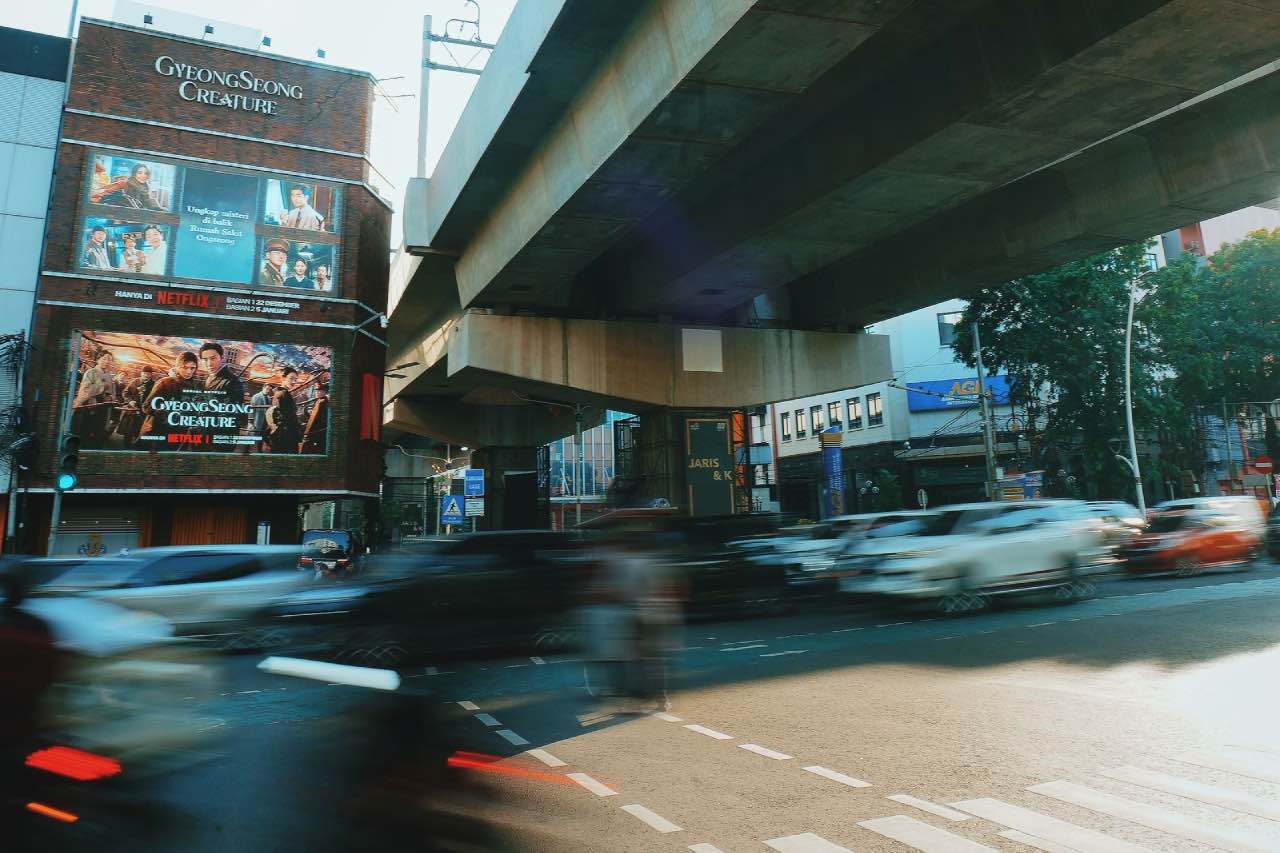
Most audiences have only 2 to 6 seconds to notice a billboard, depending on traffic conditions, vehicle speed, and media placement.
During this brief moment, the human brain rapidly filters information and focuses on:
This explains why text-heavy billboards often fail to communicate effectively.
Research consistently shows that humans are naturally drawn to other human faces.
When a billboard features a model, athlete, celebrity, or public figure, viewers' eyes often move directly toward that face.
Interestingly, the direction of a model's gaze can also influence audience attention.
If the model is looking toward a product or logo, viewers often follow that visual path. This technique is widely used by global brands to guide attention toward important campaign elements.
Color plays a major role in capturing attention.
Strong contrast between the background and text improves readability. Bold colors can also help a billboard stand out in visually crowded urban environments.
However, excessive use of colors can create visual clutter and reduce effectiveness.
The most successful billboard designs typically use a simple color palette combined with strong visual contrast.
Many advertisers attempt to include too much information on a single billboard.
Eye tracking studies suggest the opposite approach works better. The simpler the design, the greater the likelihood that audiences will understand the message.
Effective billboards usually contain:
When these elements work together, audiences can process the message within seconds.
Location plays a crucial role in billboard effectiveness.
In slow-moving traffic or congested urban areas, audiences have more time to observe and process information.
On highways and high-speed roads, billboards must rely on much simpler designs that can be understood instantly.
This is why billboard creative strategy should always be adapted to the environment where the media is placed.
Eye tracking research provides several valuable lessons for modern marketers.
First, attention is a limited resource.
Second, simple designs consistently outperform complex ones.
Third, strong visuals often communicate more effectively than long paragraphs of text.
Fourth, media placement is just as important as creative execution.
Finally, great billboards do not try to say everything. They focus on delivering one memorable message.
The OOH industry is evolving rapidly through technologies such as mobile location data, computer vision, artificial intelligence, and advanced audience measurement systems.
Yet despite these innovations, one principle remains unchanged.
A billboard is only effective if it captures human attention during the first few seconds of exposure.
Eye tracking helps the industry understand how attention works, allowing advertisers to build campaigns that are more effective, efficient, and memorable.
Billboards are far more than roadside displays. They are attention-capturing tools competing in environments filled with distractions.
Eye tracking research demonstrates that human attention is fast, selective, and heavily influenced by visual design.
For brands seeking to maximize their OOH investment, understanding how people actually look at billboards may be one of the most valuable competitive advantages available today.


by Milanello
Thursday, 14 Nov 2024
Sunday, 8 Dec 2024

Thursday, 1 Jun 2023
Tuesday, 3 Jun 2025

Lestari Ads Agency - PT Lestari Dev Solusindo
Lestari Ads is a leading out-of-home media company with the largest network in Indonesia. We believe the world is a canvas. Every advertisement is an opportunity to inspire, engage, and transform public spaces. We continuously push boundaries in Out-Of-Home (OOH) advertising, changing the way brands interact with audiences beyond the digital screen, bringing stories to life where people live, move, and connect.
The most trusted OOH advertising agency in Indonesia
Experience the top of visibility with Indonesia's leading out-of-home (OOH) advertising agency. We specialize in turning the urban landscape into a dynamic canvas for your brand, crafting compelling narratives that capture the imagination of millions. Our mastery over strategic placements and innovative formats ensures your message not only reaches, but resonates with a diverse and expansive audience. With a proven track record of delivering high-impact campaigns across Indonesia's bustling cities and beyond, we redefine what's possible in OOH advertising.
Find the best quality billboard advertising space with variety of size and dimension
out-of-home advertising, digital billboards, traditional billboards, transit advertising, street furniture advertising, outdoor signage, digital ooh, led billboards, static billboards, large format advertising, advertising displays, ooh media, advertising billboards, outdoor digital screens, urban advertising, roadside billboards, digital signage, retail advertising, poster advertising, mobile billboard advertising, digital transit ads, interactive ooh, airport advertising, mall advertising, cinema advertising, sports venue advertising, digital outdoor advertising, public transportation ads, taxi advertising, bus shelter ads, pedestrian advertising, advertising kiosks, outdoor media solutions, billboard marketing, ooh advertising strategies, ooh media planning, digital billboard solutions, smart billboard advertising, contextual ooh ads, geotargeted ooh ads, location-based ooh, smart outdoor ads, programmatic ooh, data-driven ooh, brand awareness billboards, large-scale ooh campaigns, outdoor advertising effectiveness, billboard design, high-traffic billboard locations, hyperlocal ooh, street-level ooh, public transit advertising, ooh campaign management, outdoor digital displays, media buyers ooh, roadside digital ads, metro station advertising, shopping center ads, ooh advertising trends, outdoor media buying, bus wrap advertising, illuminated billboards, building wrap advertising, branded outdoor advertising, billboard networks, freeway advertising, expressway billboards, train station advertising, out-of-home advertising campaigns, event-based ooh ads, ooh media buying strategies, proximity-based ooh, national ooh campaigns, city-wide ooh advertising, large-scale outdoor campaigns, integrated ooh solutions, ooh digital networks, smart city advertising, mobile billboard solutions, dynamic outdoor ads, highway billboard advertising, ooh media optimization, digital out-of-home screens, high-impact ooh ads, retail digital signage, interactive billboard advertising, regional ooh advertising, local outdoor advertising, consumer engagement ooh, brand visibility outdoor ads, targeted billboard advertising, digital advertising screens, urban billboard advertising, weather-triggered ooh ads, motion sensor billboards, flexible ooh solutions, sustainable outdoor advertising, renewable energy billboards, solar-powered billboards, ooh for small businesses, outdoor brand activations.
Frequently Ask Questions
About Us