
Challenges and Opportunities in Indonesia's Digital Advertising Industry
Saturday, 29 Jun 2024

PT Lestari Dev Solusindo
Aldeoz Building Lt. 6, Jl. Wr. Jati Barat No.39, RT.2/RW.4, Kalibata, Pancoran, Jakarta Selatan, DKI Jakarta, 12740.
+6281389455717 - contact@lestariads.com
www.lestariads.com


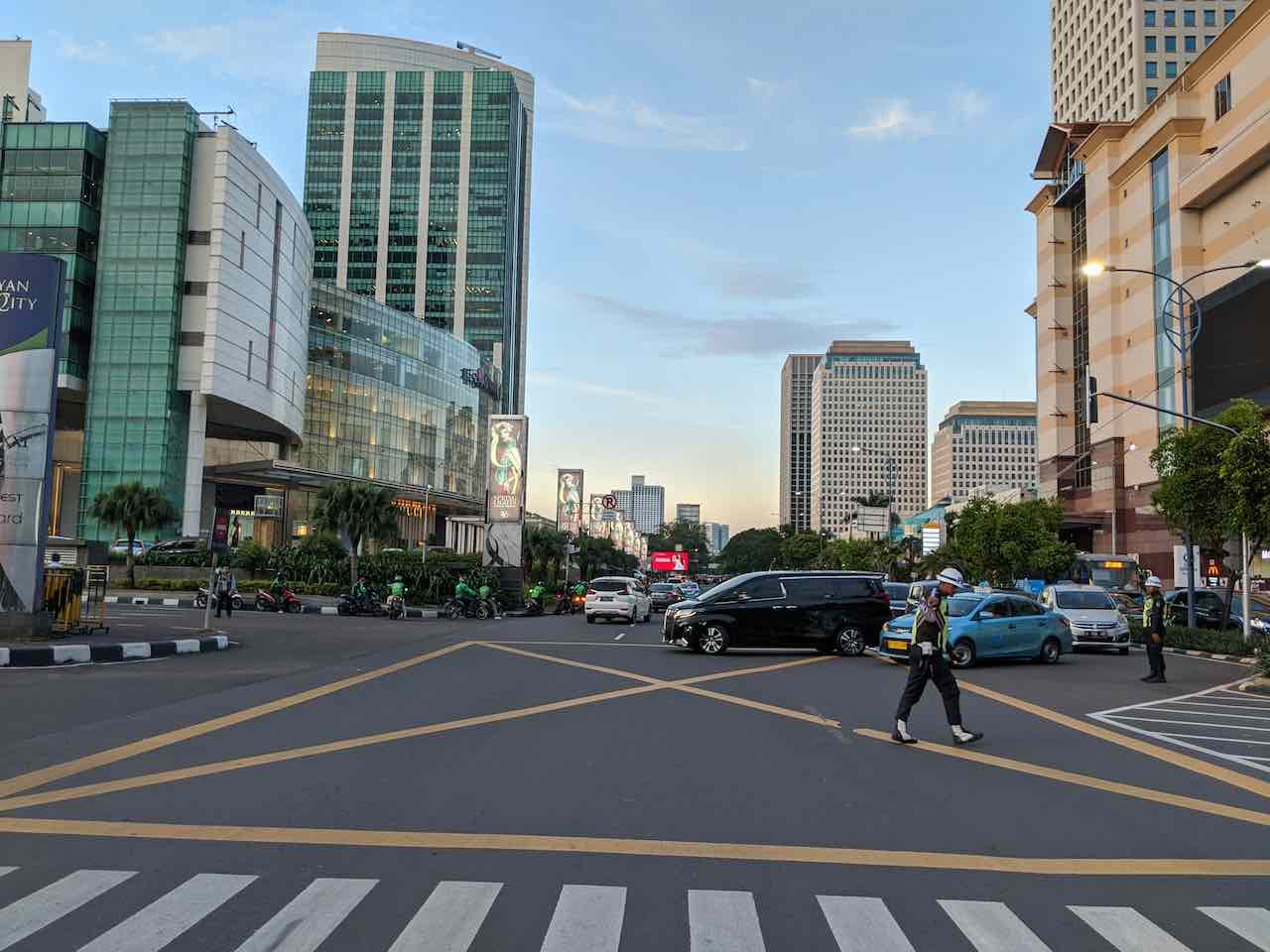
In today’s hyper-connected world, the line between online and offline marketing is fading. Brands no longer rely solely on digital ads to drive engagement. Instead, they are using Out-of-Home (OOH) media to create real-world connections that spark online actions. In Indonesia, where urban mobility and digital adoption are growing rapidly, this integration has become one of the most powerful strategies in modern advertising.
OOH used to be about awareness and visibility. Now, it has evolved into a gateway for interaction. Billboards, transit ads, and street installations are no longer static visuals but interactive experiences that lead audiences online. This evolution is driven by mobile behavior. Indonesians spend hours each day on their smartphones, and OOH placements located in high-traffic areas naturally invite digital responses—scanning QR codes, visiting websites, or following social media accounts.
Recent campaigns in Indonesia show how creative and tech-driven OOH can directly connect to digital platforms:
1, QR Code Integration
Many brands now place QR codes on OOH media to instantly connect people to online offers, apps, or campaigns. For example, during product launches, a single scan can lead consumers to an exclusive webpage or e-commerce platform.
2. AR and Immersive Experiences
Some advertisers use Augmented Reality to bring static visuals to life. When viewed through a smartphone, a billboard can transform into a 3D animation or a mini game. This not only enhances engagement but also encourages social sharing, extending campaign reach organically.
3. Social Media Connection
OOH that invites people to post, tag, or use campaign hashtags can amplify brand visibility across digital platforms. Campaigns that blend physical presence with online virality tend to create stronger brand recall and a sense of participation.
Case Example: Urban OOH Meets Online Buzz
One notable example can be seen in Jakarta’s transit network. Brands partnering with Transjakarta or MRT Jakarta often combine visual storytelling with digital entry points. A commuter might see a creative installation inside the bus stop and then engage further through an online challenge or digital coupon. This approach turns waiting time into brand interaction time.
The Impact on Brand Strategy
OOH’s role in the marketing funnel has shifted. It is no longer just the first touchpoint for awareness but also a trigger for conversion and engagement. For digital-native brands, this connection between offline exposure and online response is crucial. It allows them to measure impact, gather data, and retarget audiences with more precision.
The Future of OOH and Digital Integration in Indonesia
As Indonesia’s cities become more connected through 5G and smart infrastructure, the opportunity for hybrid campaigns will continue to grow. The future of OOH lies in its ability to merge storytelling with data, design with interaction, and offline presence with measurable digital results.
In essence, the streets, billboards, and transit spaces of Indonesia are becoming an extension of the digital world. For brands aiming to stay relevant, OOH is no longer a traditional medium—it is an interactive bridge between the physical and online experience.

Saturday, 29 Jun 2024

Wednesday, 26 Feb 2025
Monday, 15 Sep 2025

Thursday, 1 Jun 2023

Lestari Ads Agency - PT Lestari Dev Solusindo
Lestari Ads is a leading out-of-home media company with the largest network in Indonesia. We believe the world is a canvas. Every advertisement is an opportunity to inspire, engage, and transform public spaces. We continuously push boundaries in Out-Of-Home (OOH) advertising, changing the way brands interact with audiences beyond the digital screen, bringing stories to life where people live, move, and connect.
The most trusted OOH advertising agency in Indonesia
Experience the top of visibility with Indonesia's leading out-of-home (OOH) advertising agency. We specialize in turning the urban landscape into a dynamic canvas for your brand, crafting compelling narratives that capture the imagination of millions. Our mastery over strategic placements and innovative formats ensures your message not only reaches, but resonates with a diverse and expansive audience. With a proven track record of delivering high-impact campaigns across Indonesia's bustling cities and beyond, we redefine what's possible in OOH advertising.
Find the best quality billboard advertising space with variety of size and dimension
out-of-home advertising, digital billboards, traditional billboards, transit advertising, street furniture advertising, outdoor signage, digital ooh, led billboards, static billboards, large format advertising, advertising displays, ooh media, advertising billboards, outdoor digital screens, urban advertising, roadside billboards, digital signage, retail advertising, poster advertising, mobile billboard advertising, digital transit ads, interactive ooh, airport advertising, mall advertising, cinema advertising, sports venue advertising, digital outdoor advertising, public transportation ads, taxi advertising, bus shelter ads, pedestrian advertising, advertising kiosks, outdoor media solutions, billboard marketing, ooh advertising strategies, ooh media planning, digital billboard solutions, smart billboard advertising, contextual ooh ads, geotargeted ooh ads, location-based ooh, smart outdoor ads, programmatic ooh, data-driven ooh, brand awareness billboards, large-scale ooh campaigns, outdoor advertising effectiveness, billboard design, high-traffic billboard locations, hyperlocal ooh, street-level ooh, public transit advertising, ooh campaign management, outdoor digital displays, media buyers ooh, roadside digital ads, metro station advertising, shopping center ads, ooh advertising trends, outdoor media buying, bus wrap advertising, illuminated billboards, building wrap advertising, branded outdoor advertising, billboard networks, freeway advertising, expressway billboards, train station advertising, out-of-home advertising campaigns, event-based ooh ads, ooh media buying strategies, proximity-based ooh, national ooh campaigns, city-wide ooh advertising, large-scale outdoor campaigns, integrated ooh solutions, ooh digital networks, smart city advertising, mobile billboard solutions, dynamic outdoor ads, highway billboard advertising, ooh media optimization, digital out-of-home screens, high-impact ooh ads, retail digital signage, interactive billboard advertising, regional ooh advertising, local outdoor advertising, consumer engagement ooh, brand visibility outdoor ads, targeted billboard advertising, digital advertising screens, urban billboard advertising, weather-triggered ooh ads, motion sensor billboards, flexible ooh solutions, sustainable outdoor advertising, renewable energy billboards, solar-powered billboards, ooh for small businesses, outdoor brand activations.
Frequently Ask Questions
About Us