How Billboard Advertising Boosts Brand Visibility and Awareness
Friday, 28 Jun 2024

PT Lestari Dev Solusindo
Aldeoz Building Lt. 6, Jl. Wr. Jati Barat No.39, RT.2/RW.4, Kalibata, Pancoran, Jakarta Selatan, DKI Jakarta, 12740.
+6281389455717 - contact@lestariads.com
www.lestariads.com

In a world where digital screens dominate attention, physical visibility still defines trust. For global brands entering new markets, Out-of-Home (OOH) advertising remains one of the most effective ways to build presence and credibility. In Indonesia, a country of over 270 million people with some of Southeast Asia’s fastest-growing cities, the streets are not just passageways they are a stage for brand storytelling.
Indonesia’s mega cities such as Jakarta, Surabaya, Bandung, and Bali offer a diverse and dynamic landscape for OOH media. Each city carries its own rhythm, audience behavior, and advertising potential. Understanding these differences is key to unlocking high-impact campaigns that connect with both local consumers and international travelers.
Jakarta: The Pulse of Urban OOH
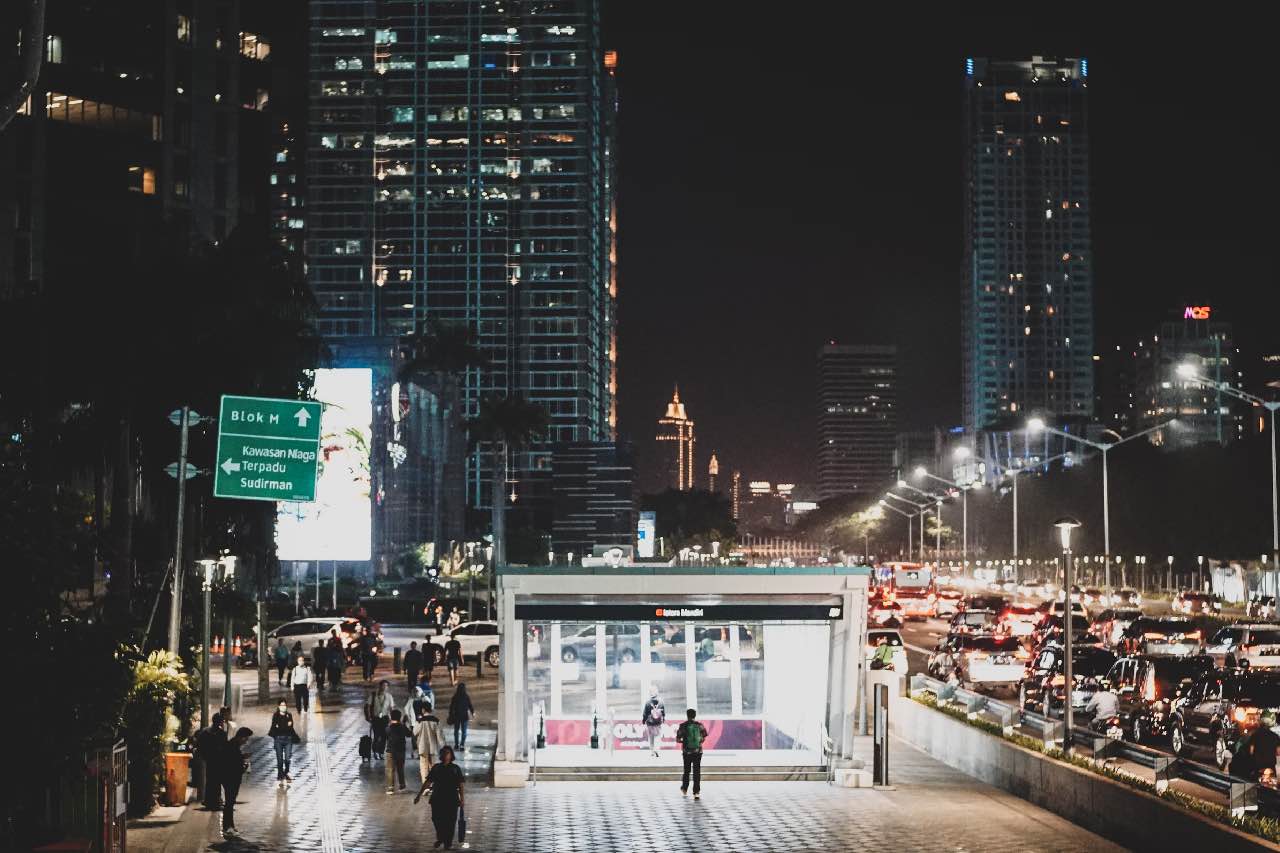
Jakarta is Indonesia’s economic powerhouse and the center of the nation’s advertising ecosystem. With over 11 million residents and millions more commuters traveling daily via Transjakarta, MRT, and KRL, the city’s roads, stations, and public spaces are filled with media opportunities.
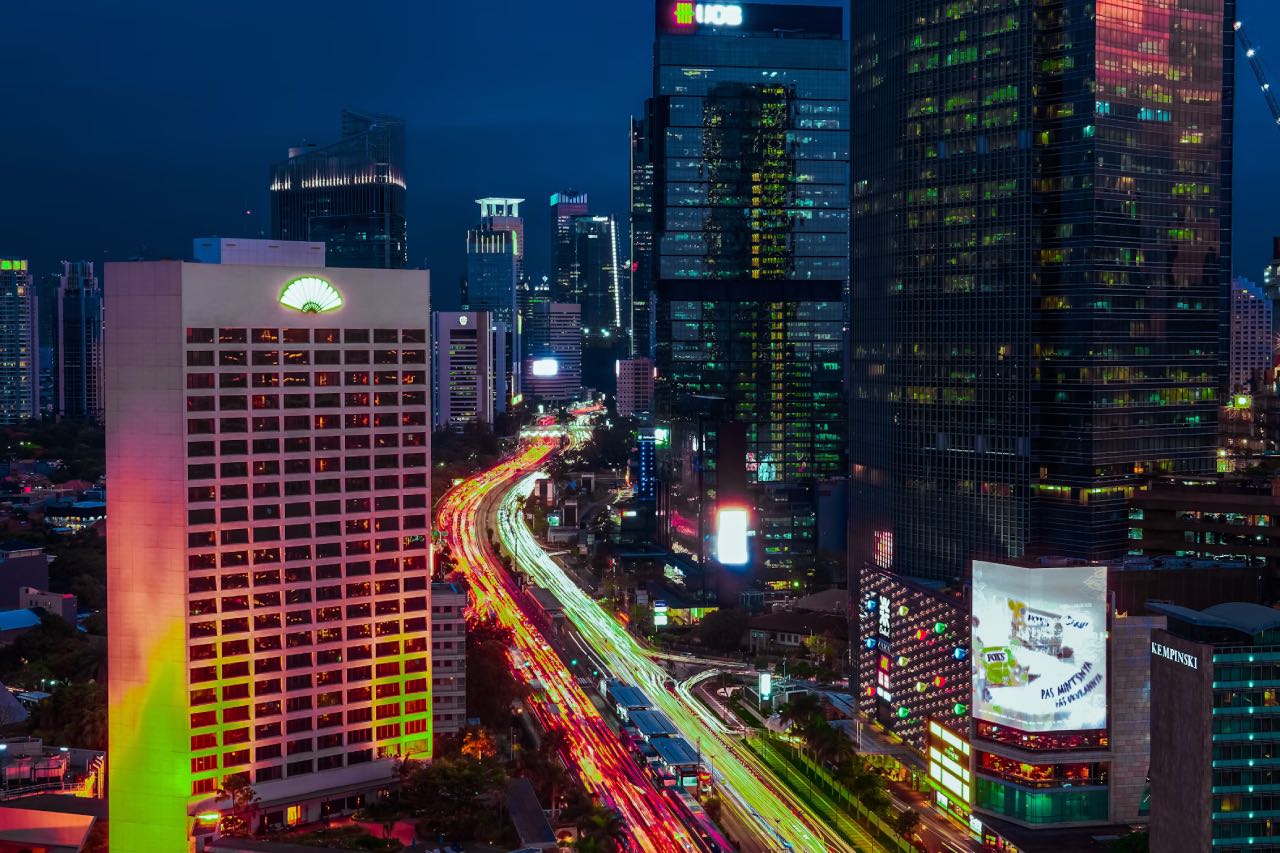
Brands that dominate Jakarta’s streets gain immediate visibility and social relevance. From LED billboards in Sudirman and Thamrin to bus shelters across major corridors, Jakarta provides unmatched audience reach. OOH here often pairs with digital campaigns, turning physical exposure into online buzz. The city’s growing data-driven OOH network also allows better targeting and measurement, making it appealing for global advertisers seeking scale and efficiency.
Surabaya: Industrial Strength Meets Emerging Creativity
Surabaya is Indonesia’s second-largest city and a commercial hub in East Java. Known for its strong middle-class population and industrial roots, Surabaya offers strategic value for brands targeting family-oriented and retail-driven markets.
The city’s OOH hotspots are concentrated around Gubeng, Tunjungan, and major shopping areas. Transit advertising also grows rapidly, supported by new infrastructure projects. Global brands that blend aspirational storytelling with local values tend to perform well here. Surabaya audiences respond positively to campaigns that feel personal, relatable, and rooted in community.
Bandung: Youth, Lifestyle, and Creativity
Bandung is often called Indonesia’s creative capital. The city is home to students, designers, and entrepreneurs, making it a natural fit for lifestyle, fashion, tech, and food brands. OOH advertising in Bandung thrives on visual design and local relevance.
Billboards near Dago, Cihampelas, and Pasteur capture the attention of both residents and tourists. Brands that use humor, innovation, or artistic visuals can build strong emotional resonance. Bandung also has a high social media activity rate, allowing OOH campaigns to quickly translate into digital engagement.
Bali: Tourism and Global Exposure
Bali is not just a tourist destination; it is a global showcase for brands. The island receives millions of international visitors annually, providing high exposure for luxury, hospitality, travel, and lifestyle advertisers.
Outdoor media in Bali focuses on high-traffic routes such as Kuta, Seminyak, and Ubud, as well as airport and beachfront areas. Global brands often use OOH in Bali for image-driven campaigns, combining scenic visuals with premium positioning. Since many visitors share their experiences online, Bali’s OOH placements naturally extend to global visibility through social media.
Connecting the Dots: Why Indonesia’s Streets Matter
OOH in Indonesia’s mega cities is more than signage it is a bridge between culture and commerce. Each city offers a unique entry point for storytelling, allowing brands to tailor messages that align with local lifestyles and urban environments.
For global marketers, success in Indonesia starts with understanding how people move, live, and interact with the city. The right OOH placement not only captures eyes but also hearts, shaping long-term brand presence in one of Asia’s most vibrant markets.
As Indonesia continues to invest in smart city infrastructure, OOH will only become more integrated, measurable, and interactive. For brands seeking to make an impact, visibility truly begins on the streets.


by Nadjwa Tsuraya
Friday, 28 Jun 2024

Thursday, 1 Jun 2023

Thursday, 17 Oct 2024

Thursday, 27 Jun 2024

Lestari Ads Agency - PT Lestari Dev Solusindo
Lestari Ads is a leading out-of-home media company with the largest network in Indonesia. We believe the world is a canvas. Every advertisement is an opportunity to inspire, engage, and transform public spaces. We continuously push boundaries in Out-Of-Home (OOH) advertising, changing the way brands interact with audiences beyond the digital screen, bringing stories to life where people live, move, and connect.
The most trusted OOH advertising agency in Indonesia
Experience the top of visibility with Indonesia's leading out-of-home (OOH) advertising agency. We specialize in turning the urban landscape into a dynamic canvas for your brand, crafting compelling narratives that capture the imagination of millions. Our mastery over strategic placements and innovative formats ensures your message not only reaches, but resonates with a diverse and expansive audience. With a proven track record of delivering high-impact campaigns across Indonesia's bustling cities and beyond, we redefine what's possible in OOH advertising.
Find the best quality billboard advertising space with variety of size and dimension
out-of-home advertising, digital billboards, traditional billboards, transit advertising, street furniture advertising, outdoor signage, digital ooh, led billboards, static billboards, large format advertising, advertising displays, ooh media, advertising billboards, outdoor digital screens, urban advertising, roadside billboards, digital signage, retail advertising, poster advertising, mobile billboard advertising, digital transit ads, interactive ooh, airport advertising, mall advertising, cinema advertising, sports venue advertising, digital outdoor advertising, public transportation ads, taxi advertising, bus shelter ads, pedestrian advertising, advertising kiosks, outdoor media solutions, billboard marketing, ooh advertising strategies, ooh media planning, digital billboard solutions, smart billboard advertising, contextual ooh ads, geotargeted ooh ads, location-based ooh, smart outdoor ads, programmatic ooh, data-driven ooh, brand awareness billboards, large-scale ooh campaigns, outdoor advertising effectiveness, billboard design, high-traffic billboard locations, hyperlocal ooh, street-level ooh, public transit advertising, ooh campaign management, outdoor digital displays, media buyers ooh, roadside digital ads, metro station advertising, shopping center ads, ooh advertising trends, outdoor media buying, bus wrap advertising, illuminated billboards, building wrap advertising, branded outdoor advertising, billboard networks, freeway advertising, expressway billboards, train station advertising, out-of-home advertising campaigns, event-based ooh ads, ooh media buying strategies, proximity-based ooh, national ooh campaigns, city-wide ooh advertising, large-scale outdoor campaigns, integrated ooh solutions, ooh digital networks, smart city advertising, mobile billboard solutions, dynamic outdoor ads, highway billboard advertising, ooh media optimization, digital out-of-home screens, high-impact ooh ads, retail digital signage, interactive billboard advertising, regional ooh advertising, local outdoor advertising, consumer engagement ooh, brand visibility outdoor ads, targeted billboard advertising, digital advertising screens, urban billboard advertising, weather-triggered ooh ads, motion sensor billboards, flexible ooh solutions, sustainable outdoor advertising, renewable energy billboards, solar-powered billboards, ooh for small businesses, outdoor brand activations.
Frequently Ask Questions
About Us