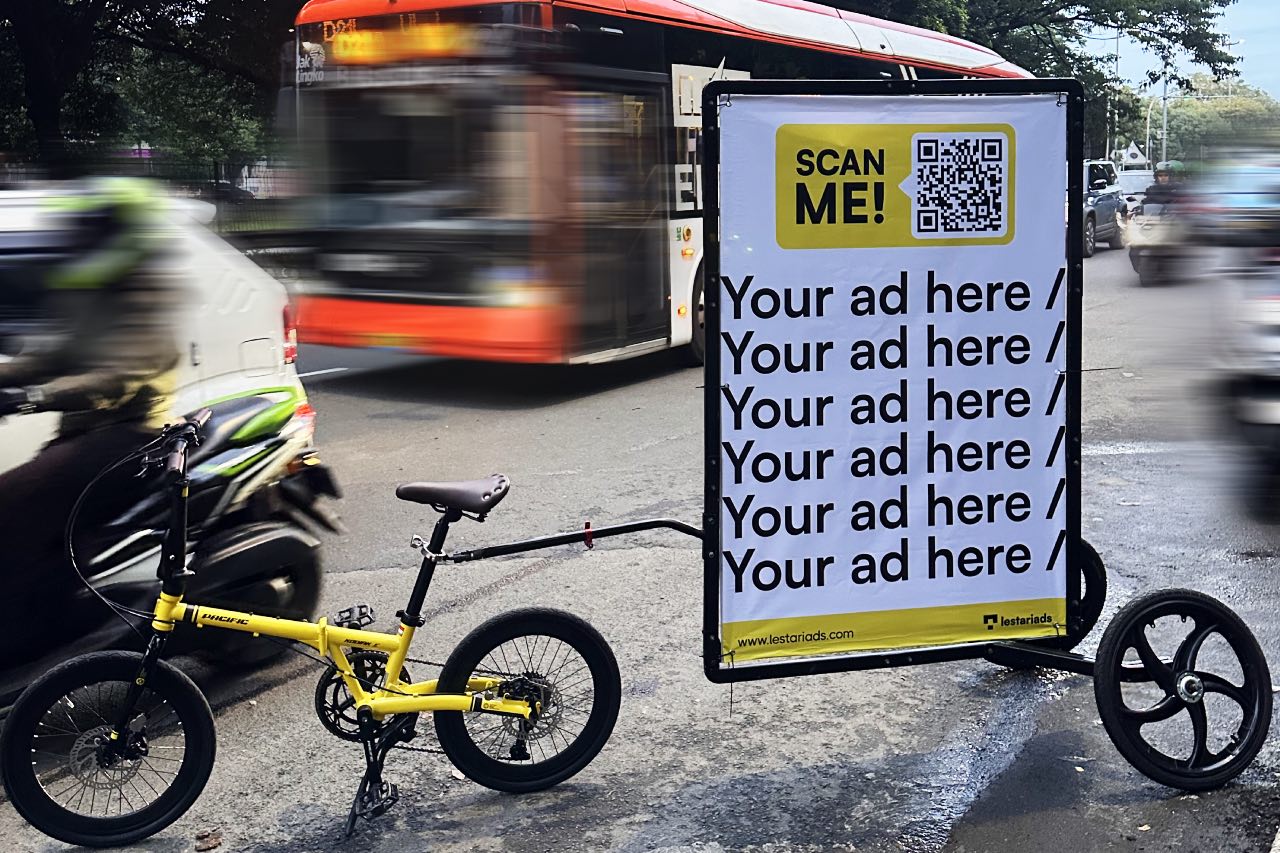
Bike Billboard: A New Mobile OOH Solution, Launching March 2026
Wednesday, 4 Feb 2026

PT Lestari Dev Solusindo
Aldeoz Building Lt. 6, Jl. Wr. Jati Barat No.39, RT.2/RW.4, Kalibata, Pancoran, Jakarta Selatan, DKI Jakarta, 12740.
+6281389455717 - contact@lestariads.com
www.lestariads.com

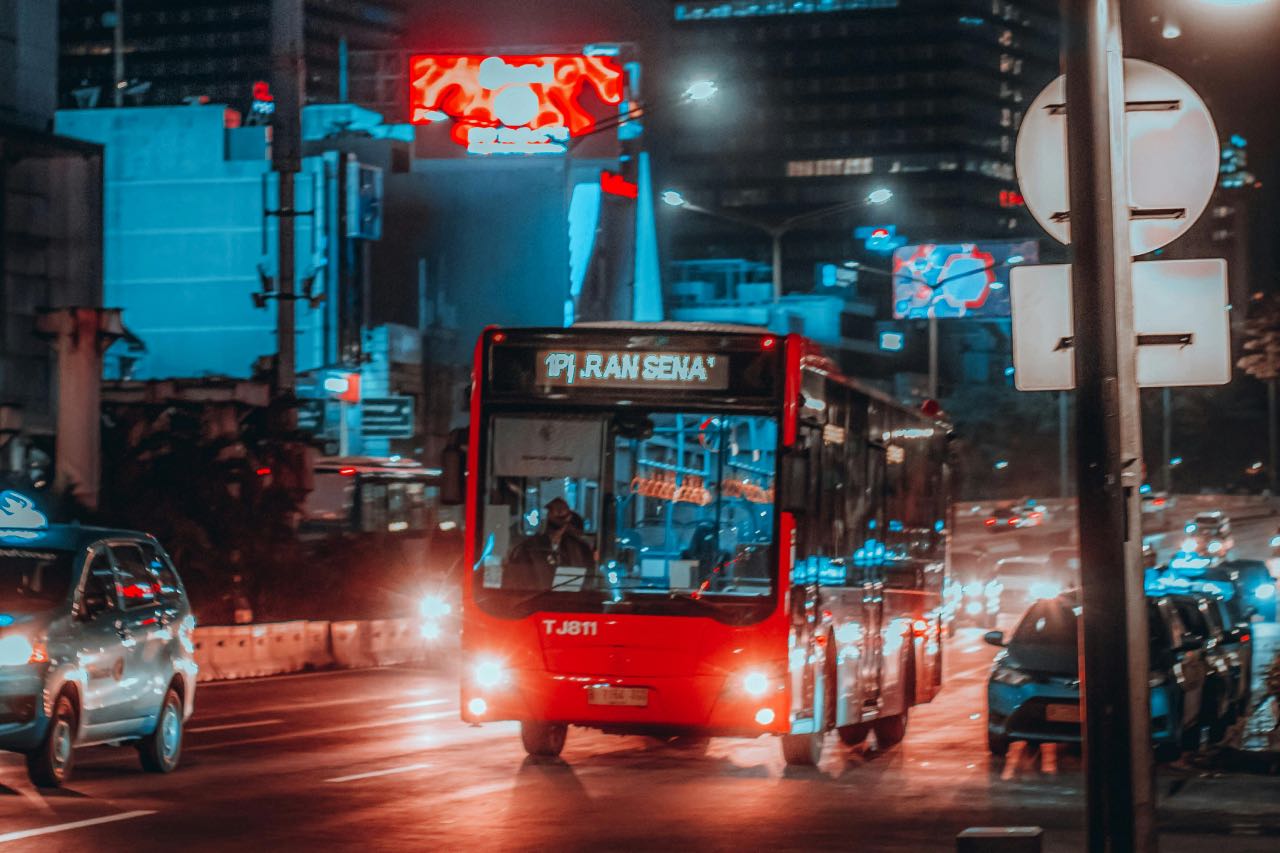
When global brands design their APAC expansion strategy, markets like China, Japan, and Singapore often dominate the conversation.
However, one market continues to be underestimated despite its scale, growth, and long term strategic importance: Indonesia.
With more than 270 million people, a rapidly expanding middle class, accelerating digital adoption, and strong offline consumption behavior, Indonesia is no longer just a secondary Southeast Asian market. It is becoming a core growth engine in Asia Pacific.
This article explains why Indonesia should be an essential pillar in your APAC media strategy.
Indonesia ranks as the fourth most populous country globally. For multinational brands, this scale alone changes the equation.
Population size directly affects:
Unlike smaller high income markets, Indonesia offers both volume and growth momentum. For brands aiming at mass market adoption, the opportunity is substantial.
When compared with markets such as Australia or South Korea, Indonesia offers significantly larger consumer scale at earlier development stages, which often means stronger growth curves.
Indonesia’s economic trajectory over the past two decades has created an expanding urban middle class.
Key characteristics include:
Cities like Jakarta, Surabaya, and Bandung are experiencing vertical development, mall expansion, and infrastructure upgrades.
For advertisers, this translates into a highly dynamic consumer market that responds strongly to brand visibility.
Indonesia presents a unique hybrid media environment where:
This creates a powerful synergy opportunity.
For example:
OOH drives awareness and credibility
Digital captures engagement and conversion
Retail converts into measurable sales
Unlike fully digital saturated markets, Indonesia still values physical brand presence. Billboards, transit media, and large format digital screens influence perception significantly.
Urban density in cities such as Jakarta produces heavy commuting patterns and long travel times.
This increases:
Major business corridors such as Sudirman Central Business District and iconic landmarks like Bundaran HI provide world class advertising visibility comparable to global cities.
For global brands, this means OOH in Indonesia is not only about reach but about prestige positioning.
Indonesia is undergoing major infrastructure transformation including:
Every infrastructure project creates new high traffic advertising inventory.
For media planners, this represents long term asset growth potential.
Compared to developed APAC markets like Japan or Singapore, Indonesia offers:
This cost advantage allows brands to dominate share of voice with relatively lower investment.
In growth stage economies, share of voice often correlates strongly with market share expansion.
Indonesia is not lagging in digital transformation.
Programmatic DOOH, mobility data analysis, and cross channel attribution are becoming more accessible.
This allows brands to:
Track foot traffic
Measure geo based sales uplift
Integrate offline and online campaigns
For APAC media strategies focused on accountability, Indonesia is increasingly capable of delivering measurable performance.
Indonesia is not only large domestically but also influential regionally.
As the largest economy in Southeast Asia, consumer trends often influence neighboring markets such as Malaysia and Philippines.
Brands that succeed in Indonesia often build stronger credibility across the region.
Markets go through growth windows.
Entering too late means:
Indonesia is currently in a strategic growth phase where infrastructure, digital maturity, and consumer spending are aligning.
For global CMOs, this timing is critical.
Indonesia should not be treated as an optional Southeast Asian addition.
It should be viewed as a core pillar of APAC media strategy due to:
Brands that integrate Indonesia strategically into their APAC roadmap will position themselves for long term sustainable growth in Asia Pacific.


by Milanello
Wednesday, 4 Feb 2026

Monday, 27 Jan 2025

Saturday, 2 Nov 2024

Lestari Ads Agency - PT Lestari Dev Solusindo
Lestari Ads is a leading out-of-home media company with the largest network in Indonesia. We believe the world is a canvas. Every advertisement is an opportunity to inspire, engage, and transform public spaces. We continuously push boundaries in Out-Of-Home (OOH) advertising, changing the way brands interact with audiences beyond the digital screen, bringing stories to life where people live, move, and connect.
The most trusted OOH advertising agency in Indonesia
Experience the top of visibility with Indonesia's leading out-of-home (OOH) advertising agency. We specialize in turning the urban landscape into a dynamic canvas for your brand, crafting compelling narratives that capture the imagination of millions. Our mastery over strategic placements and innovative formats ensures your message not only reaches, but resonates with a diverse and expansive audience. With a proven track record of delivering high-impact campaigns across Indonesia's bustling cities and beyond, we redefine what's possible in OOH advertising.
Find the best quality billboard advertising space with variety of size and dimension
out-of-home advertising, digital billboards, traditional billboards, transit advertising, street furniture advertising, outdoor signage, digital ooh, led billboards, static billboards, large format advertising, advertising displays, ooh media, advertising billboards, outdoor digital screens, urban advertising, roadside billboards, digital signage, retail advertising, poster advertising, mobile billboard advertising, digital transit ads, interactive ooh, airport advertising, mall advertising, cinema advertising, sports venue advertising, digital outdoor advertising, public transportation ads, taxi advertising, bus shelter ads, pedestrian advertising, advertising kiosks, outdoor media solutions, billboard marketing, ooh advertising strategies, ooh media planning, digital billboard solutions, smart billboard advertising, contextual ooh ads, geotargeted ooh ads, location-based ooh, smart outdoor ads, programmatic ooh, data-driven ooh, brand awareness billboards, large-scale ooh campaigns, outdoor advertising effectiveness, billboard design, high-traffic billboard locations, hyperlocal ooh, street-level ooh, public transit advertising, ooh campaign management, outdoor digital displays, media buyers ooh, roadside digital ads, metro station advertising, shopping center ads, ooh advertising trends, outdoor media buying, bus wrap advertising, illuminated billboards, building wrap advertising, branded outdoor advertising, billboard networks, freeway advertising, expressway billboards, train station advertising, out-of-home advertising campaigns, event-based ooh ads, ooh media buying strategies, proximity-based ooh, national ooh campaigns, city-wide ooh advertising, large-scale outdoor campaigns, integrated ooh solutions, ooh digital networks, smart city advertising, mobile billboard solutions, dynamic outdoor ads, highway billboard advertising, ooh media optimization, digital out-of-home screens, high-impact ooh ads, retail digital signage, interactive billboard advertising, regional ooh advertising, local outdoor advertising, consumer engagement ooh, brand visibility outdoor ads, targeted billboard advertising, digital advertising screens, urban billboard advertising, weather-triggered ooh ads, motion sensor billboards, flexible ooh solutions, sustainable outdoor advertising, renewable energy billboards, solar-powered billboards, ooh for small businesses, outdoor brand activations.
Frequently Ask Questions
About Us