
Placement Strategies for Highway Ads to Maximize Visibility
Wednesday, 26 Feb 2025

PT Lestari Dev Solusindo
Aldeoz Building Lt. 6, Jl. Wr. Jati Barat No.39, RT.2/RW.4, Kalibata, Pancoran, Jakarta Selatan, DKI Jakarta, 12740.
+6281389455717 - contact@lestariads.com
www.lestariads.com

Indonesia is one of the most dynamic consumer markets in the world. With a population exceeding 280 million people spread across thousands of islands, understanding how consumers move throughout their daily lives has become increasingly important for marketers.
Traditional demographic targeting remains valuable, but it no longer provides a complete picture of consumer behavior. Today's media planners must understand where people travel, how frequently they visit certain locations, what transportation modes they use, and how mobility patterns influence purchasing decisions.
For brands investing in Out-of-Home (OOH) advertising, Digital Out-of-Home (DOOH), transit media, and experiential marketing, consumer mobility data has become one of the most powerful tools for maximizing campaign effectiveness.
This article explores how consumer mobility shapes media planning in Indonesia and why understanding movement patterns is essential for modern advertising strategies.
Consumer mobility refers to the movement of people between locations during their daily activities. This includes commuting to work, traveling to educational institutions, visiting shopping centers, attending events, participating in recreational activities, and engaging in social interactions.
Rather than focusing solely on who consumers are, mobility analysis focuses on where consumers go and how often they visit specific locations.
For media planners, this shift provides valuable insights into real-world consumer behavior.
Questions that mobility analysis helps answer include:
Understanding these patterns enables brands to place advertising where audiences naturally spend their time.
Consumer behavior has changed significantly over the past decade.
The growth of e-commerce, hybrid work arrangements, ride-hailing services, public transportation improvements, and changing lifestyle preferences have transformed how Indonesians move through cities.
As a result, historical assumptions about audience behavior are becoming less reliable.
A location that performed well five years ago may no longer offer the same audience quality today.
Media planners increasingly rely on mobility insights to understand:
The result is more accurate media placement and stronger campaign performance.
Indonesia's major cities each possess unique mobility characteristics.
1. Jakarta
Jakarta remains the country's largest economic center and generates enormous daily movement.
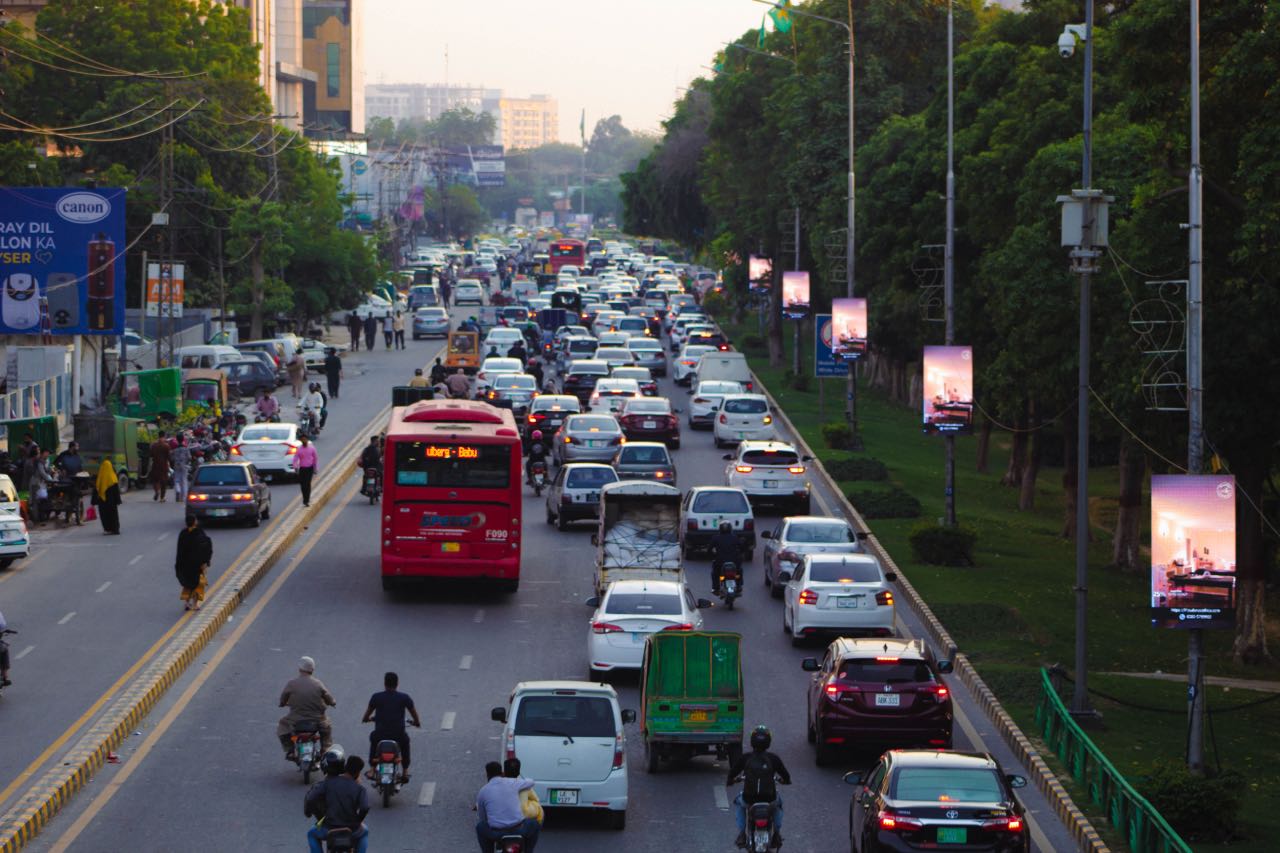
Millions of commuters travel between residential areas and business districts every day. Key corridors such as Sudirman, Thamrin, Gatot Subroto, Rasuna Said, and TB Simatupang experience significant traffic volumes.
For advertisers, these corridors represent premium opportunities for billboard and digital billboard campaigns.
2. Surabaya
As Indonesia's second-largest metropolitan area, Surabaya serves as a commercial hub for East Java.
Consumer mobility is heavily influenced by retail destinations, educational institutions, business centers, and transportation gateways.
3. Bandung
Bandung combines local commuter traffic with substantial tourism activity.
Weekend mobility patterns often differ dramatically from weekday traffic patterns, creating opportunities for brands targeting leisure audiences.
4. Bali
Unlike many Indonesian cities, Bali's mobility ecosystem is strongly influenced by tourism.
Advertising strategies often focus on airport access roads, tourism districts, hospitality zones, entertainment areas, and high-traffic retail destinations.
Understanding the difference between resident mobility and visitor mobility is critical when planning campaigns in Bali.
OOH advertising works because it reaches consumers while they are moving.
Every commute, shopping trip, airport transfer, or recreational outing creates exposure opportunities.
The effectiveness of a billboard location depends not only on traffic volume but also on audience quality.
For example, two locations may generate similar traffic counts.
However, one location may primarily attract office workers, while the other attracts tourists and shoppers.
Depending on campaign objectives, one location may deliver significantly better results than the other.
This is why mobility analysis has become a key component of modern media planning.
Historically, outdoor advertising decisions often relied on vehicle counts.
While traffic remains important, sophisticated media planning now incorporates additional factors such as:
For example, consumers waiting at transportation hubs may spend more time viewing advertisements compared to drivers moving at high speed.
Similarly, pedestrians often engage differently with media compared to vehicle passengers.
Understanding these nuances can significantly improve campaign performance.
Transit advertising is particularly dependent on mobility insights.
Buses, trains, stations, and transit corridors function as moving media platforms that travel through multiple audience zones.
In Jakarta, public transportation networks create extensive opportunities for audience exposure throughout the day.
Transit advertising offers several advantages:
As Indonesian cities continue investing in transportation infrastructure, transit media is becoming an increasingly important component of integrated advertising strategies.
Consumer mobility trends are also creating new advertising formats.
Cycling, micromobility, and environmentally conscious transportation choices are becoming increasingly visible in urban areas.
As cities seek sustainable transportation solutions, brands are exploring alternative forms of outdoor media that align with environmental objectives.
Mobile advertising formats integrated with cycling communities can provide targeted visibility while supporting sustainability initiatives.
This emerging category demonstrates how mobility trends can create entirely new advertising opportunities.
International brands entering Indonesia often focus on demographic data and market size.
While these factors are important, understanding consumer movement patterns provides a significant competitive advantage.
Brands should consider:
Campaigns designed around actual mobility behavior often outperform campaigns based solely on demographic assumptions.
Advances in location intelligence, transportation analytics, and urban planning are reshaping the advertising industry.
Future media planning strategies will increasingly rely on:
The brands that understand how people move will be better positioned to capture attention, build awareness, and influence purchasing decisions.
Consumer mobility has become one of the most important variables in modern media planning.
In Indonesia's rapidly evolving urban environment, understanding where people go, how they travel, and how they interact with cities provides valuable insights that traditional demographic data cannot deliver.
For advertisers investing in OOH, DOOH, transit advertising, and emerging mobility-based media, understanding consumer movement is no longer optional.
It is a strategic advantage.
As Indonesia's cities continue to grow and mobility patterns evolve, brands that incorporate movement intelligence into their media strategies will be better equipped to reach audiences at the right place, at the right time, and with the right message.


by Nadjwa Tsuraya
Wednesday, 26 Feb 2025

Thursday, 10 Oct 2024

Tuesday, 5 Nov 2024

Tuesday, 2 Jul 2024
Monday, 17 Jun 2024

Lestari Ads Agency - PT Lestari Dev Solusindo
Lestari Ads is a leading out-of-home media company with the largest network in Indonesia. We believe the world is a canvas. Every advertisement is an opportunity to inspire, engage, and transform public spaces. We continuously push boundaries in Out-Of-Home (OOH) advertising, changing the way brands interact with audiences beyond the digital screen, bringing stories to life where people live, move, and connect.
The most trusted OOH advertising agency in Indonesia
Experience the top of visibility with Indonesia's leading out-of-home (OOH) advertising agency. We specialize in turning the urban landscape into a dynamic canvas for your brand, crafting compelling narratives that capture the imagination of millions. Our mastery over strategic placements and innovative formats ensures your message not only reaches, but resonates with a diverse and expansive audience. With a proven track record of delivering high-impact campaigns across Indonesia's bustling cities and beyond, we redefine what's possible in OOH advertising.
Find the best quality billboard advertising space with variety of size and dimension
out-of-home advertising, digital billboards, traditional billboards, transit advertising, street furniture advertising, outdoor signage, digital ooh, led billboards, static billboards, large format advertising, advertising displays, ooh media, advertising billboards, outdoor digital screens, urban advertising, roadside billboards, digital signage, retail advertising, poster advertising, mobile billboard advertising, digital transit ads, interactive ooh, airport advertising, mall advertising, cinema advertising, sports venue advertising, digital outdoor advertising, public transportation ads, taxi advertising, bus shelter ads, pedestrian advertising, advertising kiosks, outdoor media solutions, billboard marketing, ooh advertising strategies, ooh media planning, digital billboard solutions, smart billboard advertising, contextual ooh ads, geotargeted ooh ads, location-based ooh, smart outdoor ads, programmatic ooh, data-driven ooh, brand awareness billboards, large-scale ooh campaigns, outdoor advertising effectiveness, billboard design, high-traffic billboard locations, hyperlocal ooh, street-level ooh, public transit advertising, ooh campaign management, outdoor digital displays, media buyers ooh, roadside digital ads, metro station advertising, shopping center ads, ooh advertising trends, outdoor media buying, bus wrap advertising, illuminated billboards, building wrap advertising, branded outdoor advertising, billboard networks, freeway advertising, expressway billboards, train station advertising, out-of-home advertising campaigns, event-based ooh ads, ooh media buying strategies, proximity-based ooh, national ooh campaigns, city-wide ooh advertising, large-scale outdoor campaigns, integrated ooh solutions, ooh digital networks, smart city advertising, mobile billboard solutions, dynamic outdoor ads, highway billboard advertising, ooh media optimization, digital out-of-home screens, high-impact ooh ads, retail digital signage, interactive billboard advertising, regional ooh advertising, local outdoor advertising, consumer engagement ooh, brand visibility outdoor ads, targeted billboard advertising, digital advertising screens, urban billboard advertising, weather-triggered ooh ads, motion sensor billboards, flexible ooh solutions, sustainable outdoor advertising, renewable energy billboards, solar-powered billboards, ooh for small businesses, outdoor brand activations.
Frequently Ask Questions
About Us