


How to Calculate Billboard Advertising ROI?
Saturday, 10 Jun 2023

PT Lestari Dev Solusindo
Aldeoz Building Lt. 6, Jl. Wr. Jati Barat No.39, RT.2/RW.4, Kalibata, Pancoran, Jakarta Selatan, DKI Jakarta, 12740.
+6281389455717 - contact@lestariads.com
www.lestariads.com

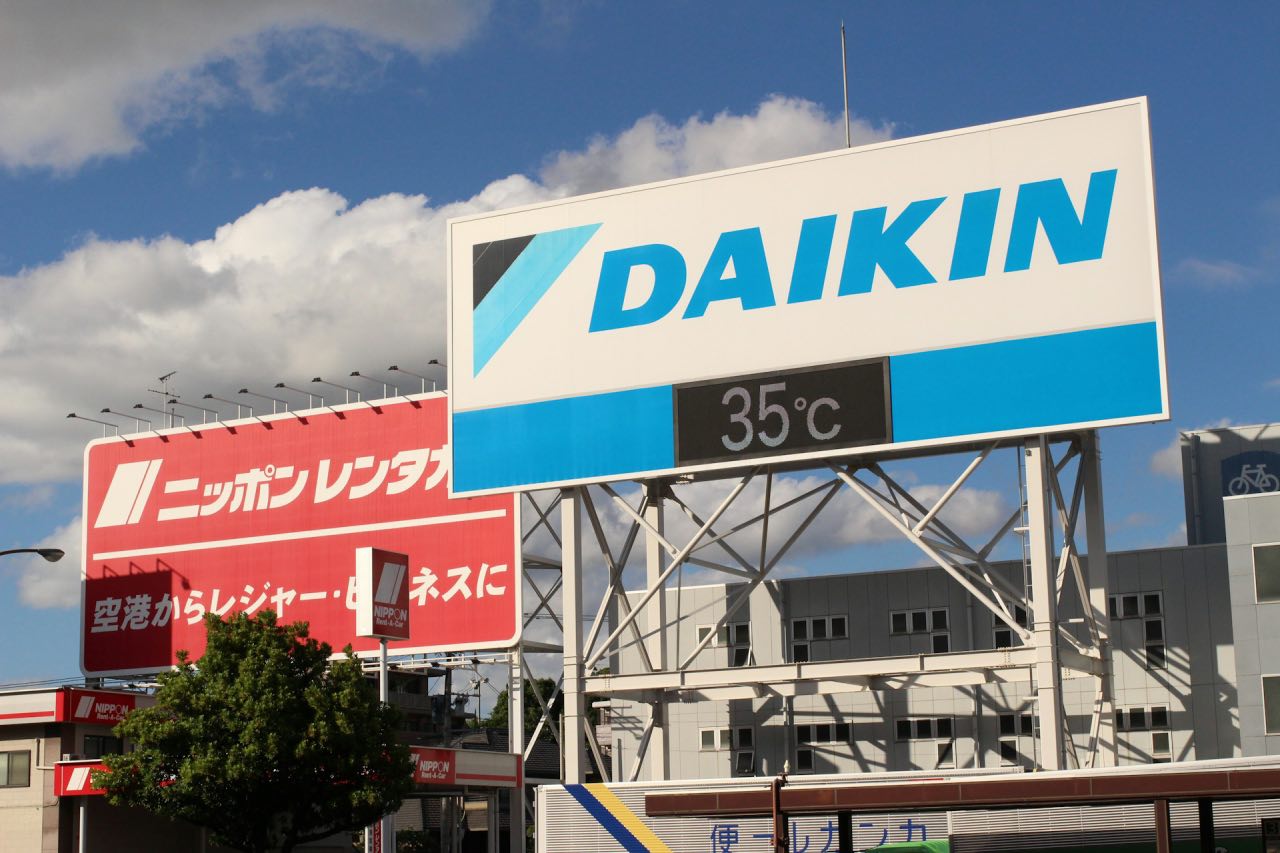
As global advertising budgets continue to evolve, 2026 marks a critical turning point in how brands allocate media spend. After years of digital-first dominance, advertisers are reassessing performance, attention, and real-world impact. Rising digital saturation, privacy restrictions, and declining online attention have forced brands to rebalance their media mix.
In this shifting landscape, Out-of-Home advertising is regaining strategic importance. Indonesia, as one of the fastest-growing advertising markets in Southeast Asia, plays a central role in this reallocation of spend. Understanding where OOH fits in Indonesia in 2026 is essential for global brands, agencies, and investors planning long-term growth.
By 2026, global advertising spend is no longer growing evenly across channels. While digital still commands the largest share, its growth rate has slowed. Key global trends shaping media investment include:
As a result, advertisers are shifting budgets toward channels that offer physical presence, scale, and consistent exposure. OOH stands out as one of the few channels that cannot be skipped, blocked, or muted.
OOH advertising has evolved significantly. It is no longer limited to static billboards measured only by traffic estimates. In 2026, OOH offers:
For global brands, OOH now serves as both a branding channel and a performance amplifier, supporting digital campaigns by driving search lift, app installs, and in-store visits.
Indonesia is uniquely positioned in the global advertising ecosystem. With a population exceeding 280 million, rapid urbanization, and strong economic growth, the country offers scale that few emerging markets can match.
Key characteristics of Indonesia’s advertising environment in 2026 include:
These factors make Indonesia particularly suitable for OOH and DOOH growth.
In 2026, OOH in Indonesia is no longer treated as a supporting channel. Instead, it occupies a strategic position across the funnel.
1. Top-of-Funnel Dominance
OOH remains one of the most effective channels for mass awareness. Large-format billboards, LED screens, and transit media deliver scale quickly, especially in dense urban corridors.
For brands entering Indonesia or launching new products, OOH is often the first point of market presence.
2. Mid-Funnel Performance Support
OOH increasingly works alongside mobile and digital channels. Exposure to OOH campaigns has been shown to lift:
In 2026, many Indonesian OOH campaigns are planned with mobile retargeting and location-based measurement in mind.
3. Premium Brand Positioning
OOH in Indonesia plays a strong role in premium perception. Placement in airports, CBD areas, and high-end malls allows brands to signal credibility and scale, something digital alone cannot fully replicate.
Digital Out-of-Home is one of the fastest-growing segments of Indonesia’s OOH market in 2026. Advertisers are increasingly drawn to:
While full automation is still developing, Indonesia is moving closer to global DOOH standards, particularly in airports, malls, and major arterial roads.
In 2026, many advertisers operating in Indonesia allocate OOH as:
For global brands, OOH is increasingly viewed as a stabilizing investment that balances volatility in digital performance.
Advertising spend in 2026 is no longer about choosing between digital and offline. It is about balance, attention, and real-world impact. In Indonesia, OOH sits at the intersection of scale, visibility, and performance support.
As brands navigate rising digital costs and fragmented attention, OOH in Indonesia offers something increasingly rare in modern advertising. Guaranteed visibility in the physical world.
For advertisers planning long-term growth in Southeast Asia, OOH in Indonesia is not a legacy channel. It is a future-proof one.


by Nadjwa Tsuraya
Saturday, 10 Jun 2023
Monday, 22 Jun 2026
Sunday, 20 Oct 2024
Friday, 8 Aug 2025

Friday, 10 Jan 2025

Lestari Ads Agency - PT Lestari Dev Solusindo
Lestari Ads is a leading out-of-home media company with the largest network in Indonesia. We believe the world is a canvas. Every advertisement is an opportunity to inspire, engage, and transform public spaces. We continuously push boundaries in Out-Of-Home (OOH) advertising, changing the way brands interact with audiences beyond the digital screen, bringing stories to life where people live, move, and connect.
The most trusted OOH advertising agency in Indonesia
Experience the top of visibility with Indonesia's leading out-of-home (OOH) advertising agency. We specialize in turning the urban landscape into a dynamic canvas for your brand, crafting compelling narratives that capture the imagination of millions. Our mastery over strategic placements and innovative formats ensures your message not only reaches, but resonates with a diverse and expansive audience. With a proven track record of delivering high-impact campaigns across Indonesia's bustling cities and beyond, we redefine what's possible in OOH advertising.
Find the best quality billboard advertising space with variety of size and dimension
out-of-home advertising, digital billboards, traditional billboards, transit advertising, street furniture advertising, outdoor signage, digital ooh, led billboards, static billboards, large format advertising, advertising displays, ooh media, advertising billboards, outdoor digital screens, urban advertising, roadside billboards, digital signage, retail advertising, poster advertising, mobile billboard advertising, digital transit ads, interactive ooh, airport advertising, mall advertising, cinema advertising, sports venue advertising, digital outdoor advertising, public transportation ads, taxi advertising, bus shelter ads, pedestrian advertising, advertising kiosks, outdoor media solutions, billboard marketing, ooh advertising strategies, ooh media planning, digital billboard solutions, smart billboard advertising, contextual ooh ads, geotargeted ooh ads, location-based ooh, smart outdoor ads, programmatic ooh, data-driven ooh, brand awareness billboards, large-scale ooh campaigns, outdoor advertising effectiveness, billboard design, high-traffic billboard locations, hyperlocal ooh, street-level ooh, public transit advertising, ooh campaign management, outdoor digital displays, media buyers ooh, roadside digital ads, metro station advertising, shopping center ads, ooh advertising trends, outdoor media buying, bus wrap advertising, illuminated billboards, building wrap advertising, branded outdoor advertising, billboard networks, freeway advertising, expressway billboards, train station advertising, out-of-home advertising campaigns, event-based ooh ads, ooh media buying strategies, proximity-based ooh, national ooh campaigns, city-wide ooh advertising, large-scale outdoor campaigns, integrated ooh solutions, ooh digital networks, smart city advertising, mobile billboard solutions, dynamic outdoor ads, highway billboard advertising, ooh media optimization, digital out-of-home screens, high-impact ooh ads, retail digital signage, interactive billboard advertising, regional ooh advertising, local outdoor advertising, consumer engagement ooh, brand visibility outdoor ads, targeted billboard advertising, digital advertising screens, urban billboard advertising, weather-triggered ooh ads, motion sensor billboards, flexible ooh solutions, sustainable outdoor advertising, renewable energy billboards, solar-powered billboards, ooh for small businesses, outdoor brand activations.
Frequently Ask Questions
About Us


