

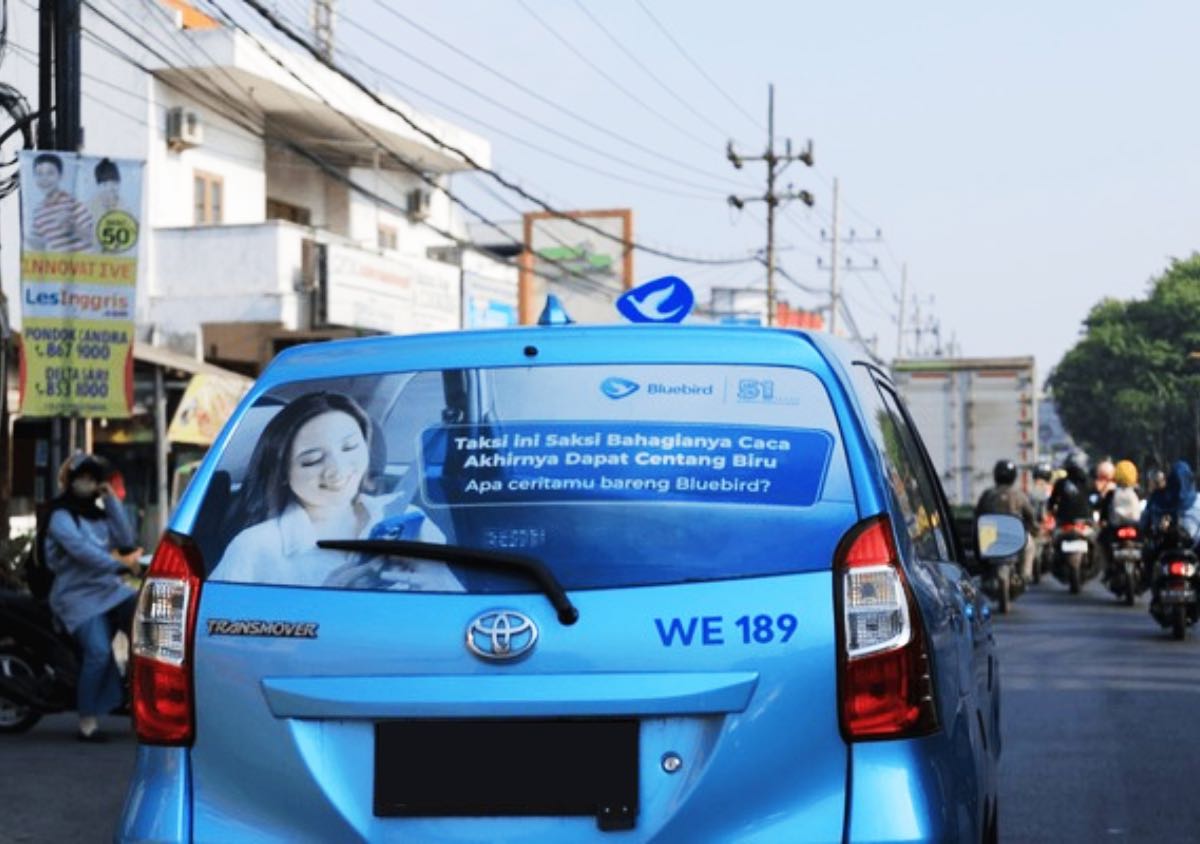
Taxi Advertising in Jakarta: Effectively Reaching Targeted Audiences
Thursday, 14 Nov 2024

PT Lestari Dev Solusindo
Aldeoz Building Lt. 6, Jl. Wr. Jati Barat No.39, RT.2/RW.4, Kalibata, Pancoran, Jakarta Selatan, DKI Jakarta, 12740.
+6281389455717 - contact@lestariads.com
www.lestariads.com

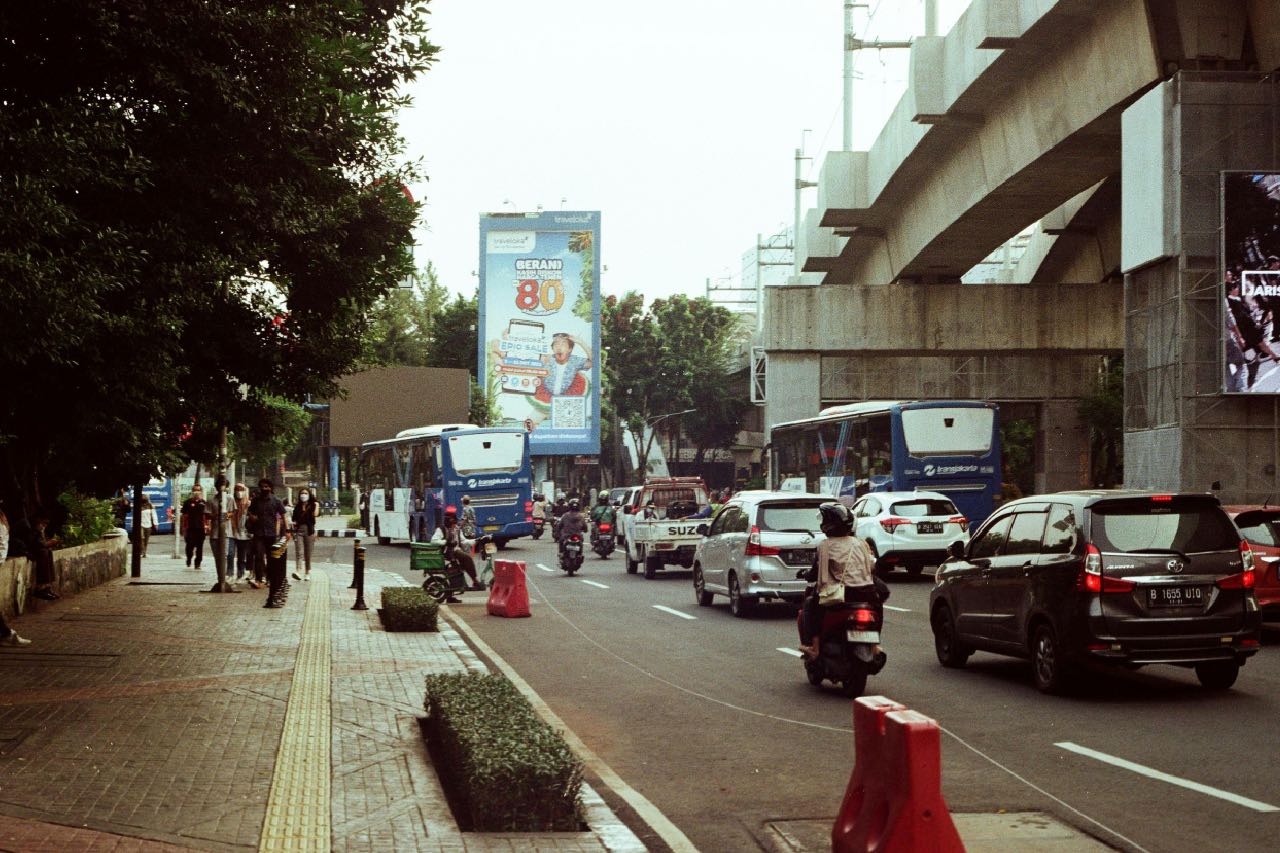
Outdoor advertising in Indonesia offers one of the most powerful opportunities for brand visibility in Southeast Asia. With massive urban populations, long commuting hours, rapidly growing infrastructure, and high traffic density, Out of Home advertising continues to deliver strong audience reach across cities like Jakarta, Surabaya, Bandung, and Denpasar.
However, behind successful billboard campaigns lies a complex operational landscape that many international brands do not immediately see.
From permit regulations and tropical weather conditions to infrastructure limitations and traffic behavior, outdoor advertising in Indonesia requires deep local understanding and strategic execution.
This article explores the hidden challenges behind Indonesia’s OOH industry and how brands successfully overcome them to build impactful campaigns.
One of the biggest challenges in Indonesia’s outdoor advertising industry is the permit and licensing process.
Unlike some countries where billboard regulations are centralized, Indonesia operates through regional government systems. Each city or regency can have different rules regarding:
For international brands entering Indonesia for the first time, this can become overwhelming.
A campaign that works smoothly in one city may require completely different documentation in another region.
How Brands Solve It
Experienced OOH companies usually handle permit management internally.
This includes:
Brands that partner with local media operators significantly reduce operational risk and campaign delays.
The most successful campaigns typically involve early planning phases before media booking begins.
Indonesia’s tropical climate creates another major challenge for outdoor advertising.
Heavy rain, high humidity, extreme sunlight exposure, and coastal conditions can affect billboard durability and visual quality.
Common issues include:
In coastal tourism areas such as Bali, salt exposure can accelerate material deterioration even faster.
How Brands Solve It
Modern OOH operators now use:
Premium billboard operators also conduct routine night inspections to ensure lighting consistency and screen visibility remain optimal.
For long-term campaigns, preventive maintenance is now considered essential rather than optional.
Indonesia’s major cities are globally known for heavy traffic congestion.
While traffic creates higher exposure duration, it also changes how audiences consume outdoor media.
Drivers and passengers only have a few seconds to process advertising messages effectively.
Complex visual designs often fail in high traffic environments.
Successful billboard campaigns in Indonesia usually follow three principles:
Many global brands now adapt their Indonesian billboard creatives differently compared to digital ads or print campaigns.
The most effective OOH campaigns prioritize:
In high density traffic corridors like Sudirman or Gatot Subroto in Jakarta, simplicity often outperforms complexity.
Although Indonesia’s major urban centers continue to modernize rapidly, infrastructure quality can vary significantly between regions.
Challenges outside metropolitan areas may include:
For nationwide campaigns, coordination across multiple islands can become operationally demanding.
Indonesia consists of thousands of islands with different geographic and logistical realities.
How Brands Solve It
Experienced media operators build regional operational networks to handle:
Brands launching nationwide campaigns often combine:
This hybrid strategy improves efficiency while maintaining nationwide visibility.
One of the most discussed challenges globally is measurement and attribution.
Many brands still question how outdoor advertising performance should be evaluated compared to digital advertising platforms.
Unlike online ads, billboard engagement is not based on direct clicks.
How Brands Solve It
The OOH industry has evolved significantly through:
Today, many Indonesian OOH campaigns are integrated with digital ecosystems to measure:
The future of Indonesian OOH increasingly combines physical visibility with digital attribution systems.
Indonesia is one of the most culturally diverse countries in the world.
A campaign message that resonates in Jakarta may not create the same impact in other regions.
Language preferences, lifestyle differences, and purchasing behavior vary significantly across provinces.
How Brands Solve It
Brands increasingly localize campaigns through:
Some brands even rotate billboard creatives depending on regional audience demographics.
Localization has become a major competitive advantage in Indonesia’s outdoor advertising market.
Digital transformation is rapidly changing Indonesia’s outdoor advertising industry.
LED billboards, dynamic content scheduling, and programmatic advertising are becoming increasingly popular.
However, digital OOH also introduces new challenges:
How Brands Solve It
Leading operators invest heavily in:
As Indonesian cities continue developing smart city infrastructure, digital OOH is expected to become one of the region’s fastest growing media sectors.
Outdoor advertising in Indonesia offers enormous opportunities for brands seeking high visibility and large scale audience exposure.
However, successful campaigns require more than simply renting billboard space.
Brands must navigate:
The companies that succeed are usually those that combine strong creative strategy with deep local operational expertise.
As Indonesia continues evolving into one of Southeast Asia’s largest advertising markets, OOH media will remain a critical channel for building brand awareness, credibility, and mass audience impact.
For global brands entering Indonesia, understanding these hidden challenges is often the difference between a campaign that is merely visible and one that truly performs.


by Milanello
Thursday, 14 Nov 2024
Tuesday, 4 Mar 2025

Saturday, 9 Nov 2024
Friday, 18 Oct 2024

Friday, 12 Jul 2024

Lestari Ads Agency - PT Lestari Dev Solusindo
Lestari Ads is a leading out-of-home media company with the largest network in Indonesia. We believe the world is a canvas. Every advertisement is an opportunity to inspire, engage, and transform public spaces. We continuously push boundaries in Out-Of-Home (OOH) advertising, changing the way brands interact with audiences beyond the digital screen, bringing stories to life where people live, move, and connect.
The most trusted OOH advertising agency in Indonesia
Experience the top of visibility with Indonesia's leading out-of-home (OOH) advertising agency. We specialize in turning the urban landscape into a dynamic canvas for your brand, crafting compelling narratives that capture the imagination of millions. Our mastery over strategic placements and innovative formats ensures your message not only reaches, but resonates with a diverse and expansive audience. With a proven track record of delivering high-impact campaigns across Indonesia's bustling cities and beyond, we redefine what's possible in OOH advertising.
Find the best quality billboard advertising space with variety of size and dimension
out-of-home advertising, digital billboards, traditional billboards, transit advertising, street furniture advertising, outdoor signage, digital ooh, led billboards, static billboards, large format advertising, advertising displays, ooh media, advertising billboards, outdoor digital screens, urban advertising, roadside billboards, digital signage, retail advertising, poster advertising, mobile billboard advertising, digital transit ads, interactive ooh, airport advertising, mall advertising, cinema advertising, sports venue advertising, digital outdoor advertising, public transportation ads, taxi advertising, bus shelter ads, pedestrian advertising, advertising kiosks, outdoor media solutions, billboard marketing, ooh advertising strategies, ooh media planning, digital billboard solutions, smart billboard advertising, contextual ooh ads, geotargeted ooh ads, location-based ooh, smart outdoor ads, programmatic ooh, data-driven ooh, brand awareness billboards, large-scale ooh campaigns, outdoor advertising effectiveness, billboard design, high-traffic billboard locations, hyperlocal ooh, street-level ooh, public transit advertising, ooh campaign management, outdoor digital displays, media buyers ooh, roadside digital ads, metro station advertising, shopping center ads, ooh advertising trends, outdoor media buying, bus wrap advertising, illuminated billboards, building wrap advertising, branded outdoor advertising, billboard networks, freeway advertising, expressway billboards, train station advertising, out-of-home advertising campaigns, event-based ooh ads, ooh media buying strategies, proximity-based ooh, national ooh campaigns, city-wide ooh advertising, large-scale outdoor campaigns, integrated ooh solutions, ooh digital networks, smart city advertising, mobile billboard solutions, dynamic outdoor ads, highway billboard advertising, ooh media optimization, digital out-of-home screens, high-impact ooh ads, retail digital signage, interactive billboard advertising, regional ooh advertising, local outdoor advertising, consumer engagement ooh, brand visibility outdoor ads, targeted billboard advertising, digital advertising screens, urban billboard advertising, weather-triggered ooh ads, motion sensor billboards, flexible ooh solutions, sustainable outdoor advertising, renewable energy billboards, solar-powered billboards, ooh for small businesses, outdoor brand activations.
Frequently Ask Questions
About Us


