


Maximizing Advertising Potential at Indonesian Train Stations
Wednesday, 23 Oct 2024

PT Lestari Dev Solusindo
Aldeoz Building Lt. 6, Jl. Wr. Jati Barat No.39, RT.2/RW.4, Kalibata, Pancoran, Jakarta Selatan, DKI Jakarta, 12740.
+6281389455717 - contact@lestariads.com
www.lestariads.com

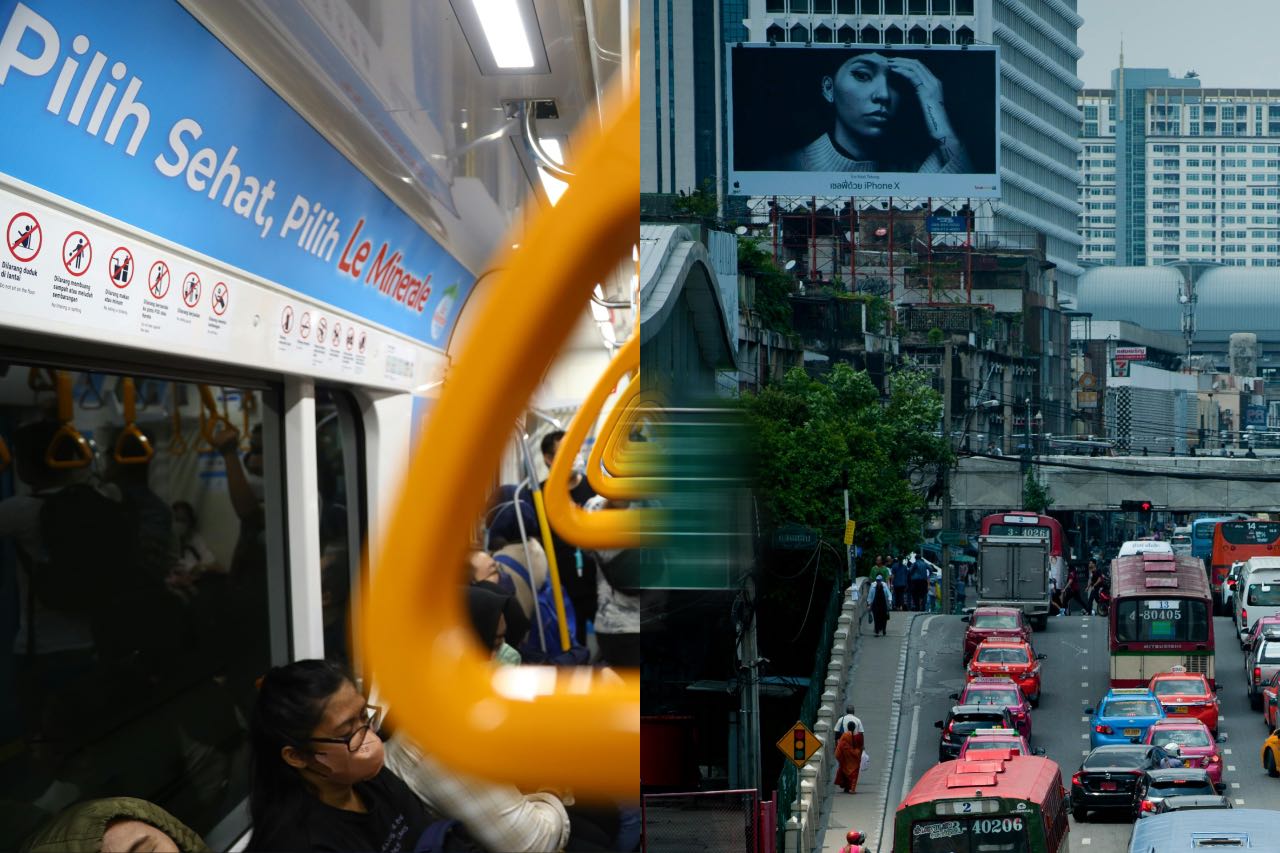
Out of Home advertising continues to be one of the most influential channels for brands seeking large scale visibility in urban environments. Among the many formats available, two stand out as dominant choices for advertisers. These are transit advertising and roadside billboards.
Both formats offer strong exposure, broad audience reach, and high brand visibility. However, they operate in different environments and influence audiences in distinct ways. Understanding the strengths of each format helps advertisers determine which approach aligns best with their campaign goals.
This article explores how transit advertising and roadside billboards perform, how they reach audiences, and when each format delivers the strongest impact.
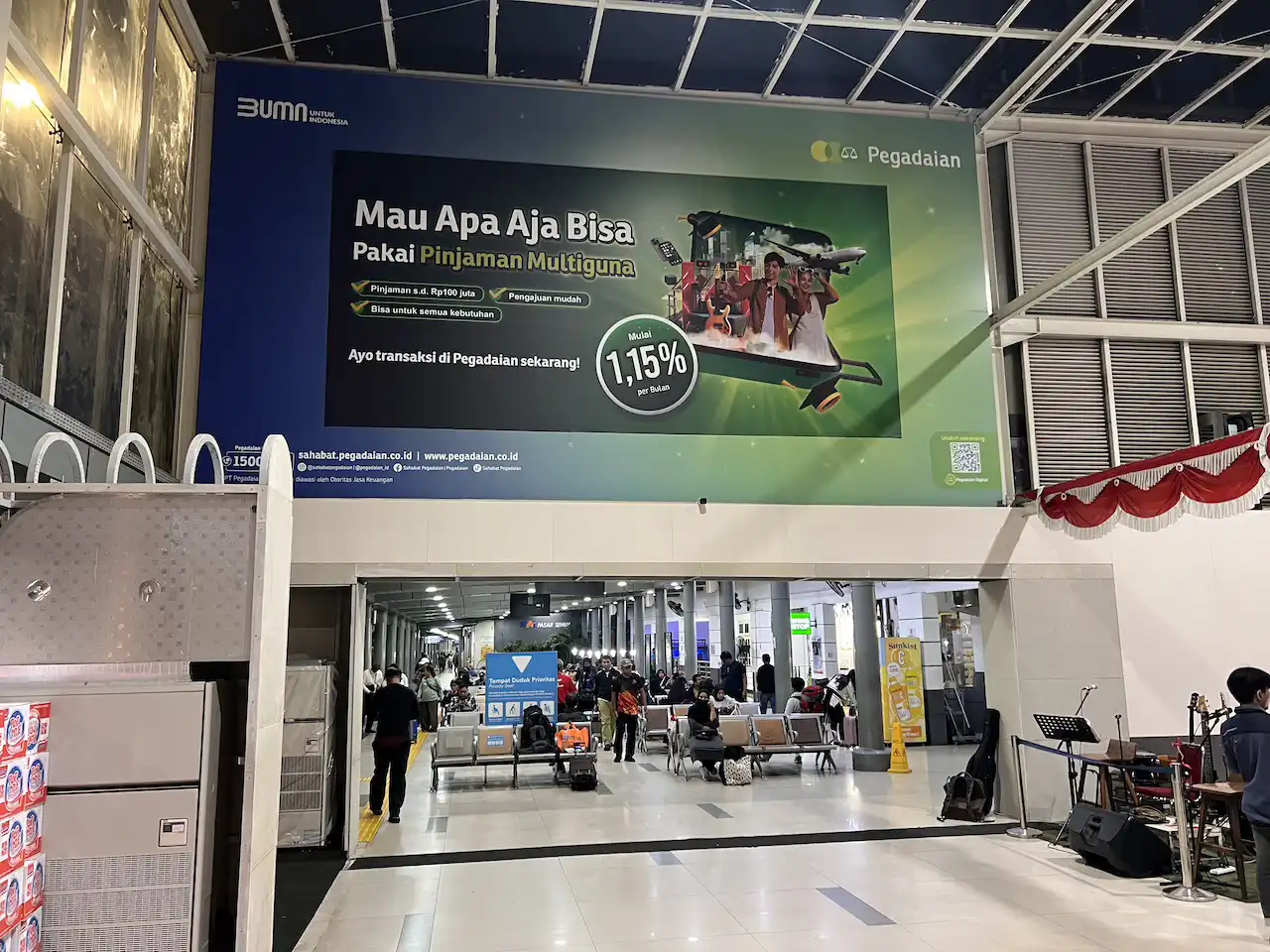
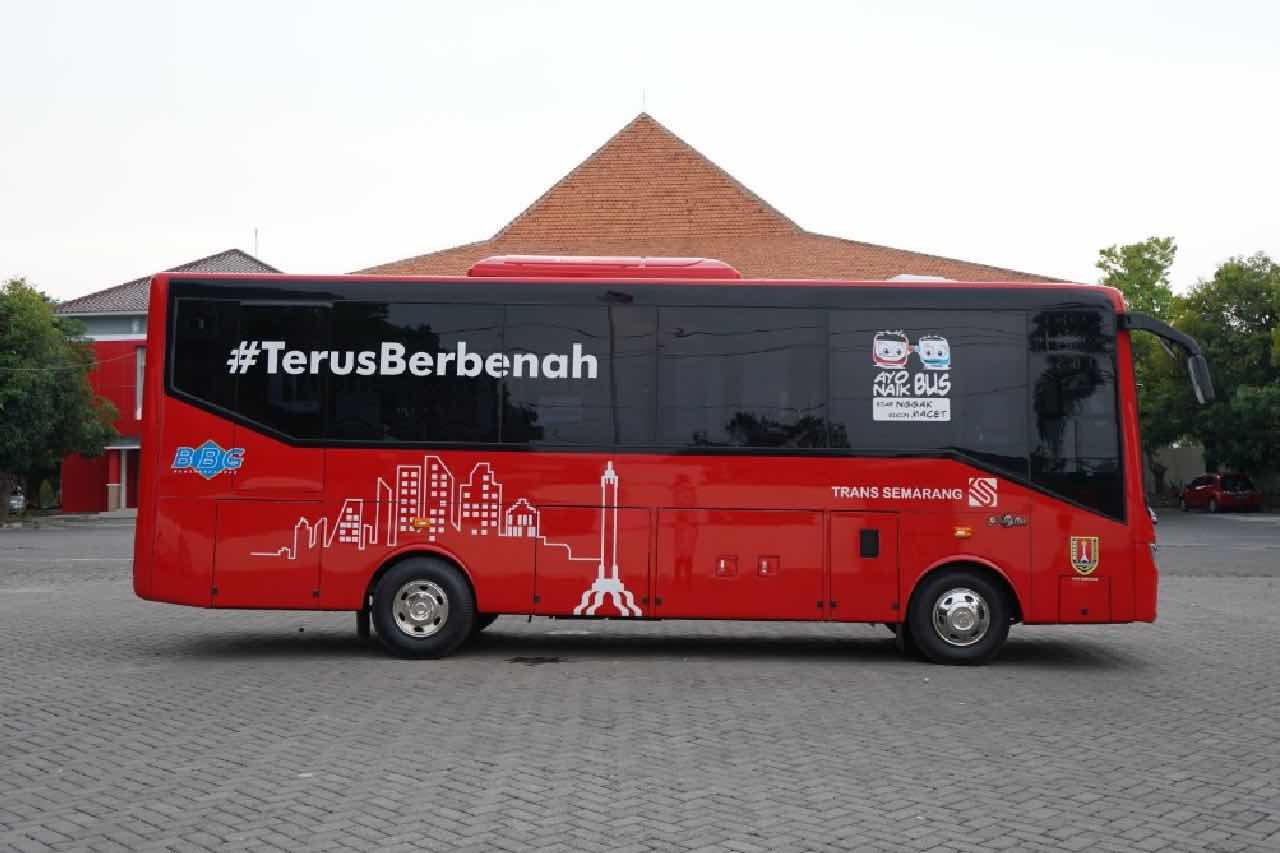
Transit advertising refers to advertising placements located within transportation systems and vehicles. This can include advertisements on buses, trains, subway stations, airports, taxis, and other transportation related environments.
Transit advertising reaches audiences while they are moving through the city or waiting within transportation hubs. These environments create repeated exposure opportunities because commuters often follow the same routes every day.
Common transit advertising placements include:
Transit advertising is particularly effective in cities where public transportation is widely used.
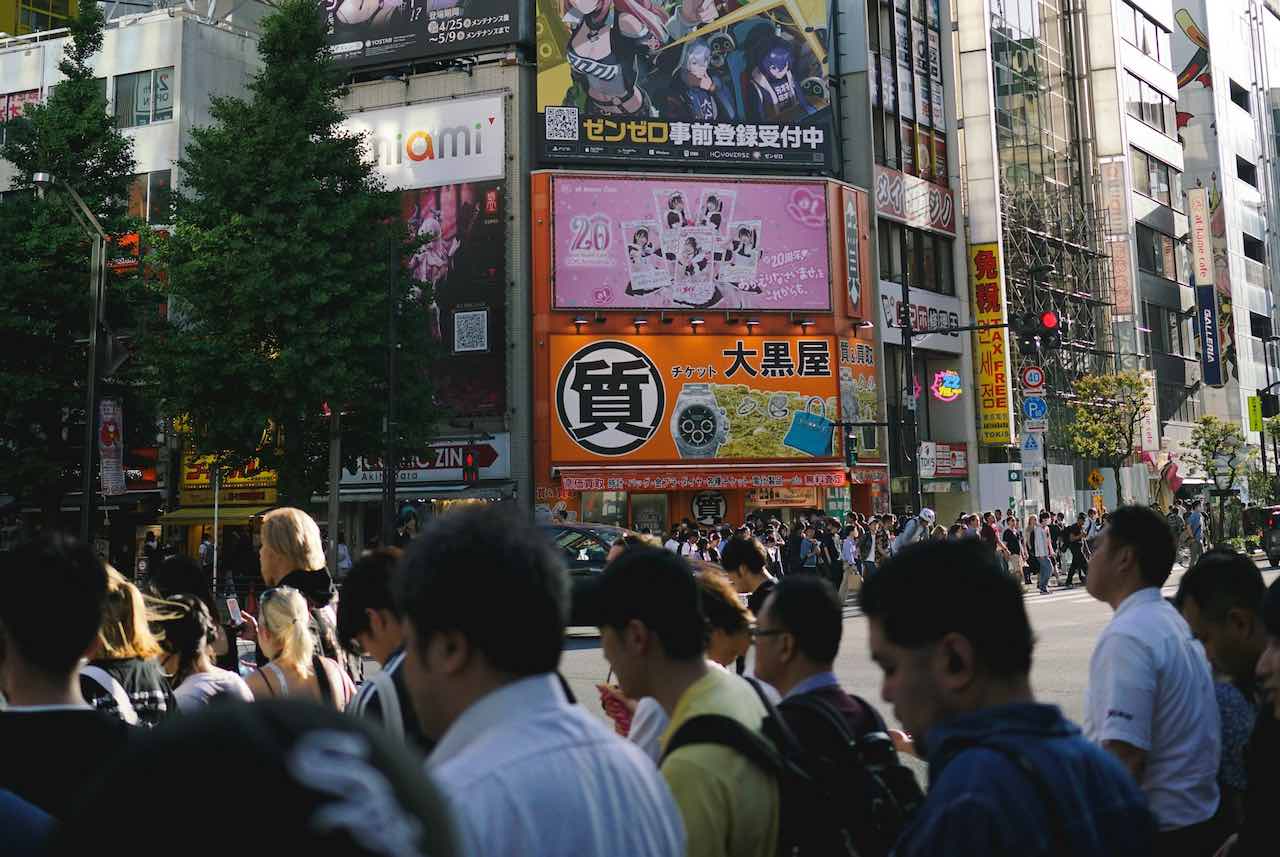
Roadside billboards are large format advertisements positioned along major roads, highways, and busy urban intersections. These billboards are designed to capture the attention of drivers, passengers, and pedestrians passing through high traffic corridors.
Billboards typically appear in highly visible locations where thousands or even millions of people travel daily.
There are several types of roadside billboards including:
Roadside billboards rely heavily on scale and strategic placement to ensure maximum visibility.
Both transit advertising and roadside billboards can deliver significant audience reach, but they do so through different mechanisms.
Transit advertising focuses on captive audiences. Commuters inside buses, trains, or stations often spend several minutes in the same environment. This allows advertisements to hold attention for longer periods.
For example, passengers waiting for trains or sitting inside buses have more time to read and process advertising messages.
Roadside billboards focus on high volume traffic exposure. Drivers and passengers may only see the advertisement for a few seconds, but the number of people passing by can be extremely large.
In dense metropolitan areas, a single roadside billboard may generate hundreds of thousands of impressions per day.
Frequency is one of the most important elements in brand recall.
Transit advertising benefits from routine commuting patterns. Many commuters use the same transportation routes every day. This means they may encounter the same advertisement repeatedly during their daily travel.
Repeated exposure increases familiarity and strengthens brand memory.
Roadside billboards also deliver strong repetition, particularly along commuter routes or major urban corridors. Drivers who pass the same road daily will see the same billboard multiple times throughout the week.
The key difference lies in viewing duration. Transit advertising often allows longer viewing time, while billboards rely on rapid visual recognition.
Creative design plays an important role in determining the effectiveness of any Out of Home campaign.
Transit advertising allows brands to create more detailed messaging because audiences have more time to observe the advertisement. For example, interior train advertisements can include longer text, storytelling visuals, or QR codes.
Airport advertising environments also allow high impact creative experiences using digital screens and immersive displays.
Roadside billboards require simpler creative execution. Because viewers are typically moving quickly, billboard designs must be clear, bold, and instantly recognizable.
Successful billboard campaigns often rely on large typography, strong imagery, and minimal messaging.
Roadside billboards are often associated with prestige and large scale visibility. A billboard placed at a major city intersection or highway corridor immediately signals brand presence.
Large format displays can create strong visual authority and position a brand as dominant within a particular location.
Transit advertising provides a different type of brand presence. Instead of visual dominance, it creates immersive brand exposure within daily urban life.
Commuters encounter the brand repeatedly as they move through transportation systems, making the message feel integrated into their everyday routines.
Cost efficiency can vary significantly depending on the city, location, and campaign duration.
Transit advertising often provides strong value for reaching large commuter populations, especially in cities where public transportation is heavily used.
Bus wraps, train station posters, and metro advertising placements can generate high impressions with relatively competitive pricing.
Roadside billboards, particularly premium digital billboards in major cities, can require higher investment due to their high visibility and limited inventory.
However, their large scale presence often delivers strong brand impact that justifies the cost for major campaigns.
Selecting between transit advertising and roadside billboards depends on the objectives of the campaign.
Transit advertising is ideal when brands want to engage commuters for longer viewing times and repeated daily exposure.
It is especially effective in cities where public transportation systems serve millions of passengers.
Roadside billboards are highly effective when the goal is to achieve immediate large scale visibility and capture attention across major traffic corridors.
They are particularly powerful for product launches, brand awareness campaigns, and high impact visual messaging.
Many successful campaigns combine both formats to maximize reach and frequency.
Transit advertising and roadside billboards are both powerful components of modern Out of Home media strategy.
Transit advertising offers immersive exposure within transportation environments where audiences spend extended time.
Roadside billboards provide large scale visual impact and massive daily traffic impressions.
Rather than competing formats, they often function best when used together as part of a comprehensive outdoor advertising strategy.
By understanding how each format reaches audiences and influences consumer perception, brands can design campaigns that deliver stronger visibility, higher recall, and more effective marketing outcomes.

Wednesday, 23 Oct 2024
Wednesday, 19 Feb 2025
Saturday, 9 Nov 2024
Wednesday, 17 Jul 2024

Tuesday, 2 Jul 2024

Lestari Ads Agency - PT Lestari Dev Solusindo
Lestari Ads is a leading out-of-home media company with the largest network in Indonesia. We believe the world is a canvas. Every advertisement is an opportunity to inspire, engage, and transform public spaces. We continuously push boundaries in Out-Of-Home (OOH) advertising, changing the way brands interact with audiences beyond the digital screen, bringing stories to life where people live, move, and connect.
The most trusted OOH advertising agency in Indonesia
Experience the top of visibility with Indonesia's leading out-of-home (OOH) advertising agency. We specialize in turning the urban landscape into a dynamic canvas for your brand, crafting compelling narratives that capture the imagination of millions. Our mastery over strategic placements and innovative formats ensures your message not only reaches, but resonates with a diverse and expansive audience. With a proven track record of delivering high-impact campaigns across Indonesia's bustling cities and beyond, we redefine what's possible in OOH advertising.
Find the best quality billboard advertising space with variety of size and dimension
out-of-home advertising, digital billboards, traditional billboards, transit advertising, street furniture advertising, outdoor signage, digital ooh, led billboards, static billboards, large format advertising, advertising displays, ooh media, advertising billboards, outdoor digital screens, urban advertising, roadside billboards, digital signage, retail advertising, poster advertising, mobile billboard advertising, digital transit ads, interactive ooh, airport advertising, mall advertising, cinema advertising, sports venue advertising, digital outdoor advertising, public transportation ads, taxi advertising, bus shelter ads, pedestrian advertising, advertising kiosks, outdoor media solutions, billboard marketing, ooh advertising strategies, ooh media planning, digital billboard solutions, smart billboard advertising, contextual ooh ads, geotargeted ooh ads, location-based ooh, smart outdoor ads, programmatic ooh, data-driven ooh, brand awareness billboards, large-scale ooh campaigns, outdoor advertising effectiveness, billboard design, high-traffic billboard locations, hyperlocal ooh, street-level ooh, public transit advertising, ooh campaign management, outdoor digital displays, media buyers ooh, roadside digital ads, metro station advertising, shopping center ads, ooh advertising trends, outdoor media buying, bus wrap advertising, illuminated billboards, building wrap advertising, branded outdoor advertising, billboard networks, freeway advertising, expressway billboards, train station advertising, out-of-home advertising campaigns, event-based ooh ads, ooh media buying strategies, proximity-based ooh, national ooh campaigns, city-wide ooh advertising, large-scale outdoor campaigns, integrated ooh solutions, ooh digital networks, smart city advertising, mobile billboard solutions, dynamic outdoor ads, highway billboard advertising, ooh media optimization, digital out-of-home screens, high-impact ooh ads, retail digital signage, interactive billboard advertising, regional ooh advertising, local outdoor advertising, consumer engagement ooh, brand visibility outdoor ads, targeted billboard advertising, digital advertising screens, urban billboard advertising, weather-triggered ooh ads, motion sensor billboards, flexible ooh solutions, sustainable outdoor advertising, renewable energy billboards, solar-powered billboards, ooh for small businesses, outdoor brand activations.
Frequently Ask Questions
About Us


