
Friday, 14 Nov 2025 —
140 views —
by superadmin
Modern cities are filled with movement, stories, and attention. In this dynamic environment, brands are competing not only for visibility but also for emotional connection. One of the most effective and creative ways to achieve both is through place-based advertising, especially in transit spaces.
Transit areas such as bus shelters, MRT stations, airports, and shopping centers are no longer just functional locations. They have evolved into high-value communication zones that reach millions of people every day. In Indonesia, where public transportation and urban mobility continue to grow, these spaces are becoming prime opportunities for brands to create immersive and memorable experiences.
Understanding Place-Based Advertising
Place-based advertising focuses on delivering messages that are relevant to where people are and what they are doing at that moment. It connects the brand’s story to a specific environment, turning ordinary public spaces into living extensions of the brand itself.
Unlike traditional billboards that simply deliver information, place-based campaigns invite people to interact, feel, and remember. They combine creativity, context, and technology to make every physical location a touchpoint that builds connection and recall.
Indonesia’s Transit Spaces as Creative Stages
Indonesia’s major cities offer diverse and dynamic transit environments where brand experiences can flourish.
1. Transjakarta Bus Stops
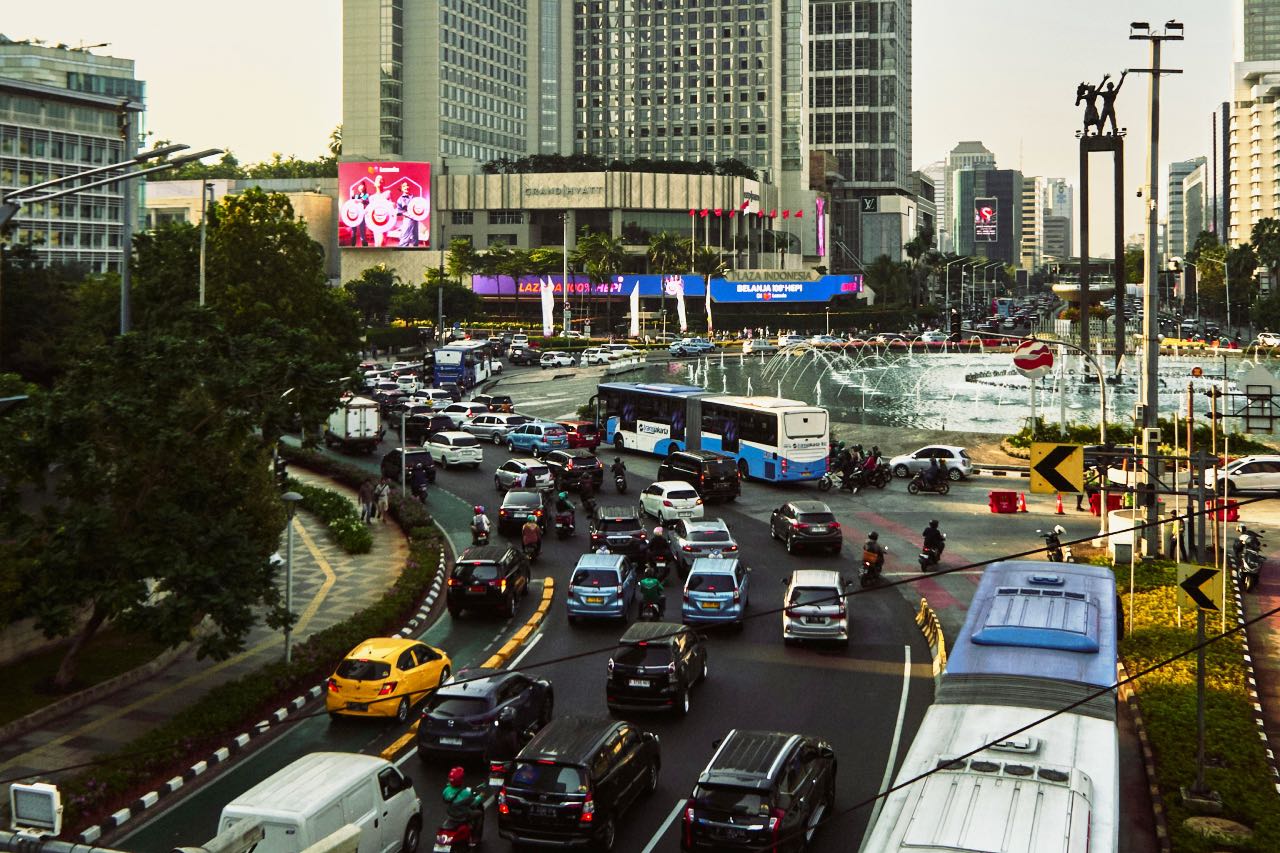
Jakarta’s bus corridors are among the busiest in Southeast Asia, with hundreds of thousands of daily passengers. Advertisers have transformed bus shelters into storytelling spaces with creative visuals, digital screens, and even pop-up activations. For example, a beverage brand might turn a shelter into a refreshing mini lounge that matches its brand theme.
2. MRT and KRL Stations
These spaces offer longer dwell times, meaning commuters have time to engage with their surroundings. Interactive displays, motion-triggered content, and branded tunnels can all transform a mundane wait into an engaging brand moment. The environment feels alive, and the message stays longer in people’s minds.
3. Airports and Travel Hubs
Airports like Soekarno-Hatta and Ngurah Rai are not only gateways for travelers but also prime zones for luxury, travel, and lifestyle brands. High-quality visuals, LED panels, and digital installations reach both domestic and international audiences. Airport OOH connects brands to a global mindset and often represents the first impression of Indonesia for foreign visitors.
4. Shopping Centers and Urban Hubs
Malls and lifestyle centers remain powerful environments for brands targeting young, urban, and digitally active audiences. These locations combine physical experiences with online connectivity, enabling campaigns that merge touch, interaction, and shareability.
The Power of Context and Design
Place-based advertising works best when the message fits the environment. The creative concept must respect the rhythm of the location, whether it is fast-moving like a bus terminal or calm like an airport lounge. Color, texture, and format should complement the physical architecture and visual flow of the space.
Successful campaigns use design thinking to turn functional structures into art pieces. A staircase can become part of a product’s story, or a wall can act as an interactive game. When done right, these creative installations invite participation and create lasting impressions.
Technology and the Future of Transit Advertising
The future of place-based OOH in Indonesia is data-driven and digital. Smart sensors, audience measurement, and real-time content updates make it possible for brands to deliver relevant messages to specific audiences and times of day.
Digital Out-of-Home (DOOH) is already transforming Jakarta’s cityscape, with synchronized screens and dynamic visuals that adapt to traffic or weather conditions. Combined with mobile integration, OOH in transit spaces is no longer just seen but experienced.
Turning Transit into a Brand Journey
Transit spaces reflect the heartbeat of the city. People move, pause, and look around—making these environments ideal for storytelling. Brands that invest in place-based advertising are not just placing ads; they are becoming part of the urban experience.
In Indonesia, where public mobility is deeply connected with culture and community, these spaces allow brands to engage authentically. They turn waiting time into inspiration, travel routes into stories, and everyday moments into brand connections that people remember long after they move on.