


Friday, 17 Apr 2026 —
128 views —
by superadmin
Out-of-home (OOH) advertising has experienced a strong resurgence globally, and Southeast Asia is one of the most dynamic regions driving this growth. Rapid urbanization, infrastructure expansion, rising middle-class populations, and increasing mobility are reshaping how brands communicate with consumers in public spaces.
From digital billboards in Singapore to transit media networks in Jakarta and Bangkok, OOH advertising in Southeast Asia has evolved from traditional static billboards into a sophisticated ecosystem of digital screens, programmatic platforms, and data-driven campaigns.
This article explores the market size of OOH advertising in Southeast Asia, the major trends shaping the industry, and forecasts for the coming years.
Market Size of OOH Advertising in Southeast Asia
Southeast Asia represents one of the fastest-growing advertising regions in the world. With a combined population of more than 680 million people and several megacities with extremely dense populations, the region offers significant opportunities for outdoor media.
OOH advertising revenue across Southeast Asia is estimated to reach several billions of US dollars annually. Indonesia, Thailand, Singapore, Malaysia, Vietnam, and the Philippines are the primary contributors to this market.
Indonesia alone represents one of the largest OOH markets in the region due to its population size and rapid urban development. Major cities such as Jakarta, Surabaya, and Bandung feature large networks of roadside billboards, LED displays, transit media, and airport advertising.
Singapore stands out as a highly digitalized OOH market. High penetration of digital billboards and smart city infrastructure allows advertisers to run data-driven and real-time campaigns.
Thailand and Malaysia also maintain strong OOH sectors supported by tourism, retail growth, and heavy commuter traffic in metropolitan areas.
Vietnam and the Philippines are emerging markets where infrastructure expansion and rising consumer spending are driving increasing demand for outdoor media.
Key Drivers of Growth
Several structural factors are driving the expansion of OOH advertising across Southeast Asia.
1. Urbanization and Megacity Growth
Many Southeast Asian cities are expanding rapidly. Jakarta, Bangkok, Manila, and Ho Chi Minh City rank among the most densely populated metropolitan areas in the world.
High population density increases the visibility and effectiveness of outdoor advertising formats such as roadside billboards, transit media, and building wraps.
As cities continue to expand, new highways, transit lines, and commercial districts create additional inventory for OOH media.
2. Rising Mobility
Consumers in Southeast Asia spend significant time commuting. Heavy traffic congestion in major cities means people are exposed to outdoor advertising for extended periods.
Transit-based OOH formats such as train station screens, airport media, bus shelters, and highway billboards benefit greatly from this constant movement of people.
Large transit systems such as MRT networks, airport rail links, and bus rapid transit systems provide premium advertising environments with high audience reach.
3. Tourism Growth
Tourism plays a major role in the Southeast Asian economy. Cities such as Bangkok, Singapore, Bali, Kuala Lumpur, and Ho Chi Minh City attract millions of international visitors every year.
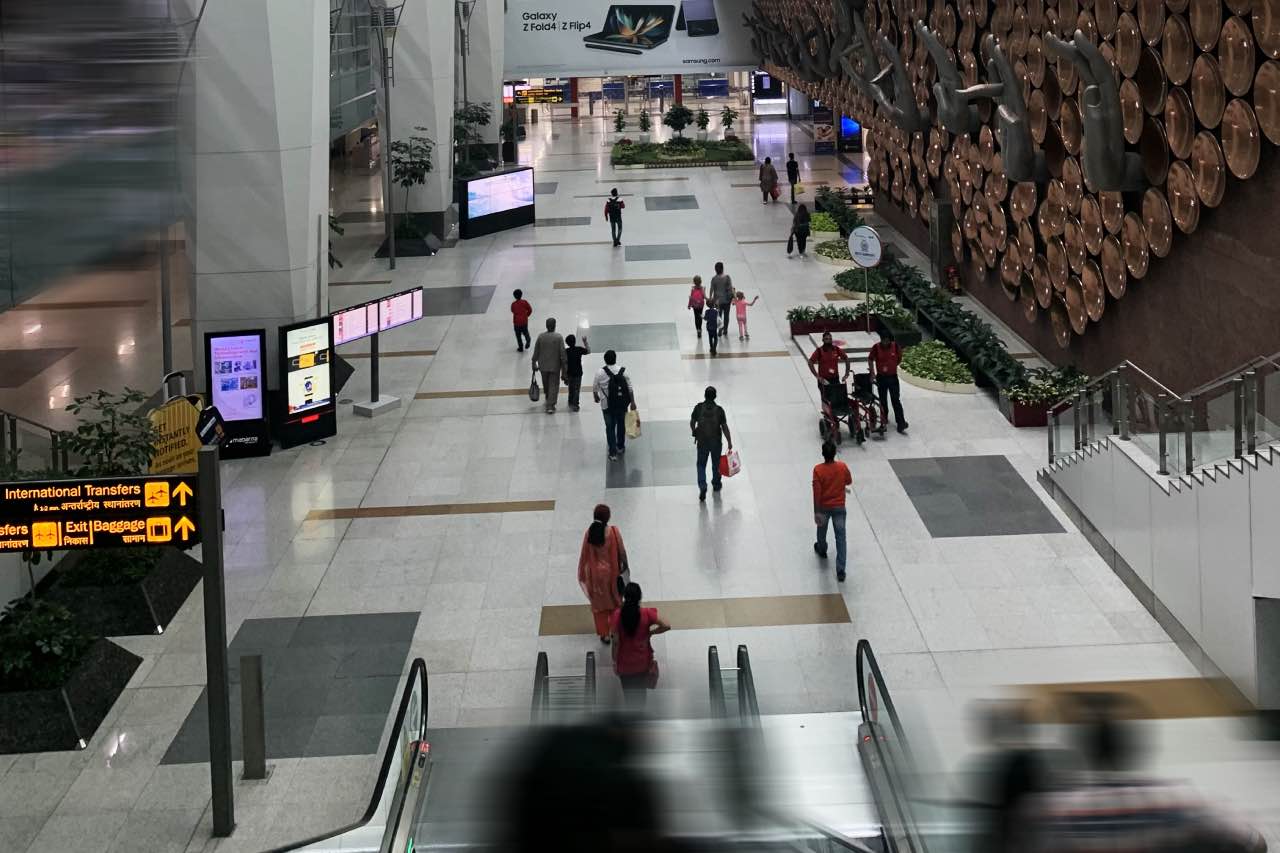
OOH media in airports, tourist districts, and transportation hubs provide brands with opportunities to reach both local consumers and international audiences.
4. Digital Transformation of OOH
Digital out-of-home (DOOH) is transforming the traditional billboard landscape. LED billboards, interactive screens, and programmatic buying platforms allow advertisers to deliver more dynamic campaigns.
DOOH also enables real-time content updates, location-based messaging, and integration with mobile advertising.
Major OOH Advertising Formats in Southeast Asia
The OOH ecosystem in Southeast Asia consists of multiple media formats that reach audiences across urban environments.
1. Roadside Billboards
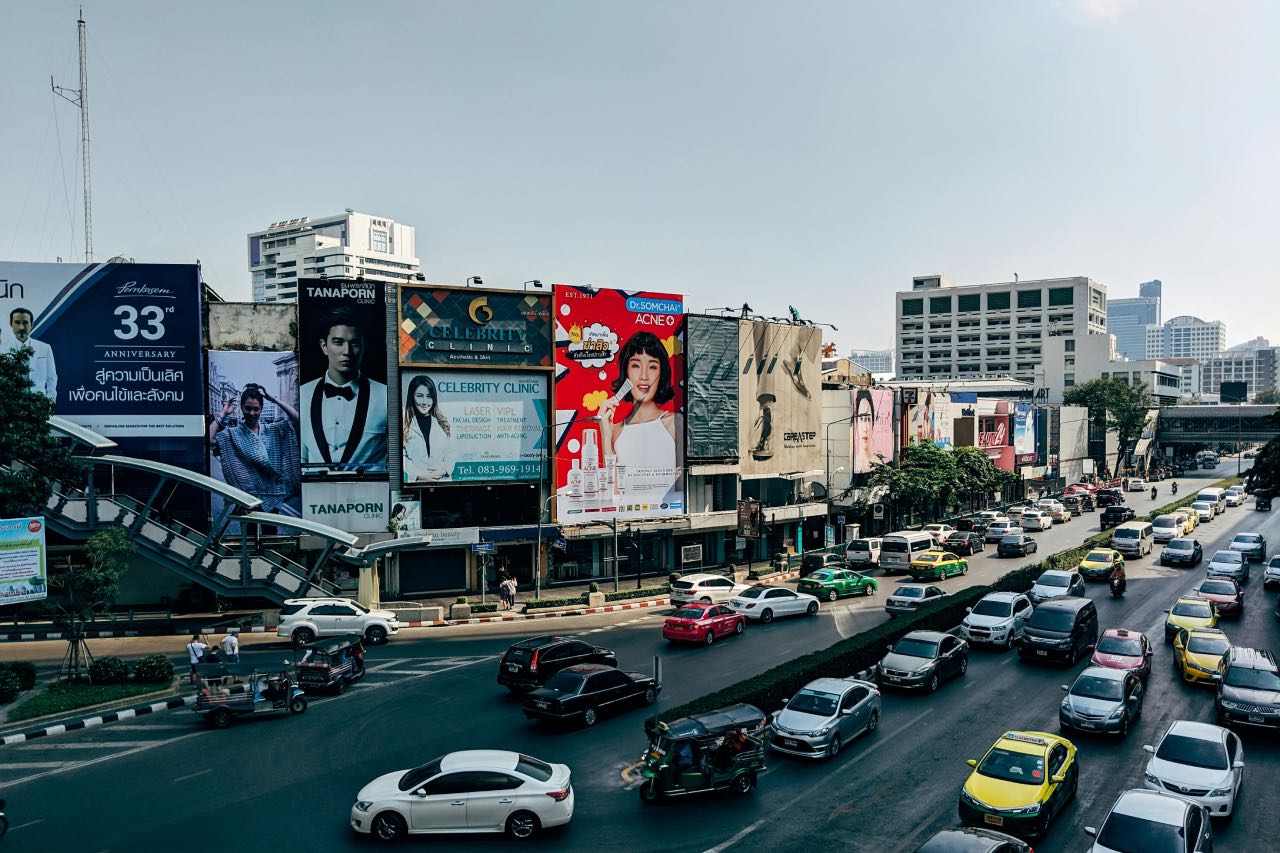
Traditional billboards remain the backbone of outdoor advertising in the region. Large-format billboards located on highways, major intersections, and commercial corridors deliver high visibility and brand awareness.
Many of these billboards are gradually being converted into digital LED displays.
2. Transit Media
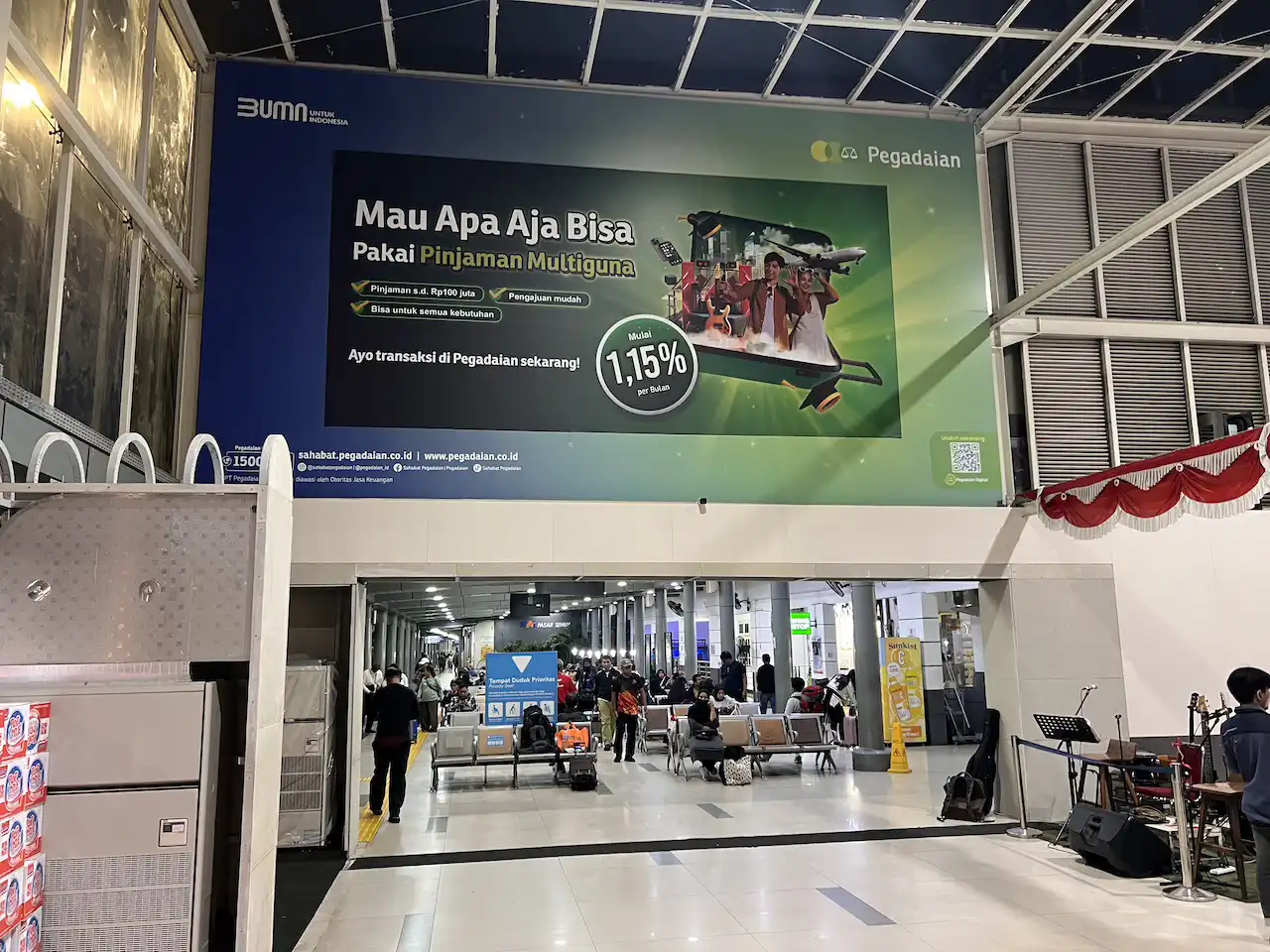
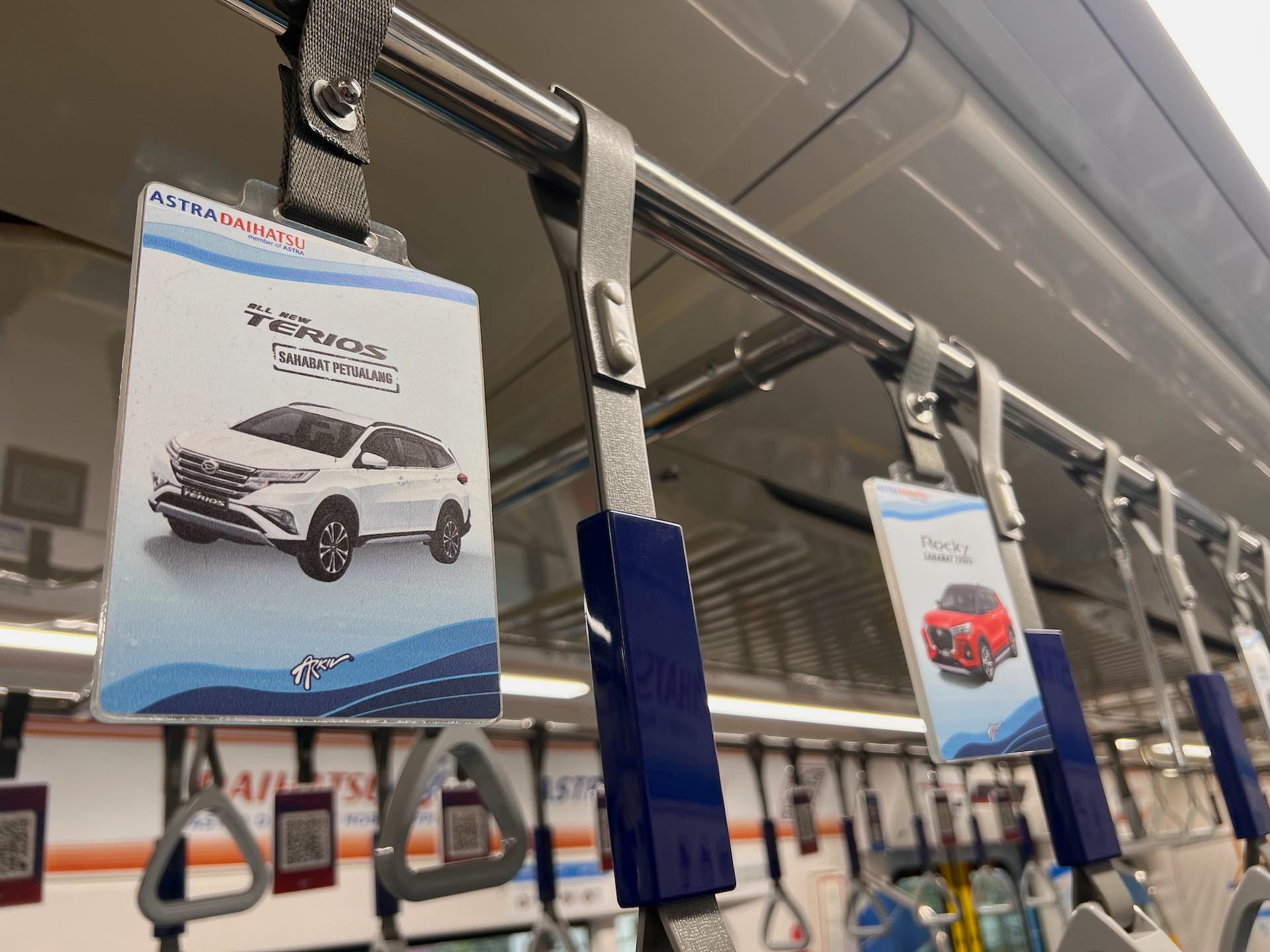
Transit media includes advertising in airports, train stations, buses, taxis, and metro systems.
This format provides advertisers with repeated exposure to daily commuters and travelers.
Airport advertising is particularly valuable because it reaches high-income audiences and international travelers.
3. Street Furniture Advertising
Street furniture includes bus shelters, kiosks, public benches, and pedestrian panels. These formats are commonly located in busy urban centers and shopping districts.
Street furniture media is often used for localized campaigns targeting specific neighborhoods or districts.
4. Building Wraps and Landmark Displays
Large-scale building wraps and iconic landmark screens create powerful visual impact. These installations are often used for brand launches, entertainment promotions, and national campaigns.
In many cities, landmark digital screens have become major advertising attractions.
Technology and Data Integration
Technology is reshaping how OOH campaigns are planned and measured.
1. Programmatic DOOH
Programmatic digital out-of-home allows advertisers to buy screen inventory automatically using data-driven platforms.
This enables flexible campaign scheduling, real-time optimization, and audience targeting based on time, location, and traffic patterns.
2. Mobile and OOH Integration
Many campaigns now combine OOH with mobile advertising. Smartphones enable location-based targeting and measurement of audience exposure.
For example, advertisers can trigger mobile ads after a user has passed a specific billboard location.
3. Audience Measurement
Advanced analytics tools are improving the measurement of OOH effectiveness.
Data sources such as mobile location data, traffic sensors, and transportation statistics help estimate audience reach and impressions.
Country-Level Market Overview
1. Indonesia
Indonesia is the largest OOH market in Southeast Asia. Its large population and expanding infrastructure create enormous demand for outdoor media.
Key growth areas include digital billboards, transit advertising, and airport media networks.
2. Singapore
Singapore leads the region in digital OOH adoption. The city-state features high-tech LED networks and integrated smart city infrastructure.
Brands often launch regional campaigns in Singapore due to its high purchasing power and international visibility.
3. Thailand
Bangkok is one of the most vibrant OOH markets in Asia. Massive LED screens and building wraps dominate commercial areas such as Siam and Sukhumvit.
The country also benefits from strong tourism-driven advertising demand.
4. Malaysia
Malaysia's OOH market is concentrated in Kuala Lumpur and major urban highways. Transit media and large digital billboards are particularly popular.
5. Vietnam
Vietnam is experiencing rapid economic growth, leading to increasing investment in outdoor advertising.
Cities such as Ho Chi Minh City and Hanoi are seeing rapid expansion of billboard networks.
6. Philippines
The Philippines has a strong urban OOH presence in Metro Manila, with large roadside billboards dominating major highways.
Challenges Facing the Industry
Despite strong growth potential, the OOH industry in Southeast Asia also faces several challenges.
Regulatory restrictions on billboard placement can limit available inventory in some cities.
Infrastructure constraints in certain markets may slow the expansion of digital screens.
Competition from digital advertising channels also forces OOH operators to innovate and provide better data measurement.
However, these challenges are gradually being addressed through industry modernization and technological adoption.
Future Outlook and Market Forecast
The future of OOH advertising in Southeast Asia appears highly promising.
Several trends are expected to shape the market in the coming decade:
- Digital screens will continue to replace traditional static billboards.
- Programmatic buying platforms will become more widely adopted.
- Integration between mobile advertising and OOH campaigns will increase.
- Infrastructure development such as new airports, highways, and rail networks will create additional advertising inventory.
As Southeast Asia continues to urbanize and modernize, outdoor advertising will remain one of the most powerful channels for reaching large audiences in the physical world.
For brands seeking visibility at scale, OOH advertising in Southeast Asia offers a unique combination of reach, impact, and cultural relevance.