Understanding Consumer Mobility in Indonesia for Smarter Media Planning
Monday, 22 Jun 2026

PT Lestari Dev Solusindo
Aldeoz Building Lt. 6, Jl. Wr. Jati Barat No.39, RT.2/RW.4, Kalibata, Pancoran, Jakarta Selatan, DKI Jakarta, 12740.
+6281389455717 - contact@lestariads.com
www.lestariads.com


Indonesia is undergoing one of the most significant middle class expansions in the Asia Pacific region. Over the past decade, consumer spending has surged, urbanization has accelerated, and the number of households entering the middle income bracket continues to rise. This shift is transforming Indonesia into a high opportunity market for global brands seeking new growth.
Yet entering this market requires strong visibility, cultural adaptation, and broad reach. Out of Home advertising stands out as one of the most effective channels for achieving these objectives. With its ability to reach massive audiences across dense urban centers, Indonesia’s OOH landscape offers a strategic entry point for international brands.
Below is an in depth look at why Indonesia’s growing middle class and evolving consumer habits make OOH a critical avenue for market entry.
Indonesia’s middle class is not just growing in size. It is growing in influence. Rising incomes have reshaped spending behavior across categories including food, beverages, home products, technology, fashion, and leisure.
What Makes the Middle Class Highly Attractive for Brands
This demographic is actively seeking quality, convenience, and modern experiences. OOH platforms in malls, main roads, toll gates, and transit hubs place brands directly in front of these consumers during their daily routines.
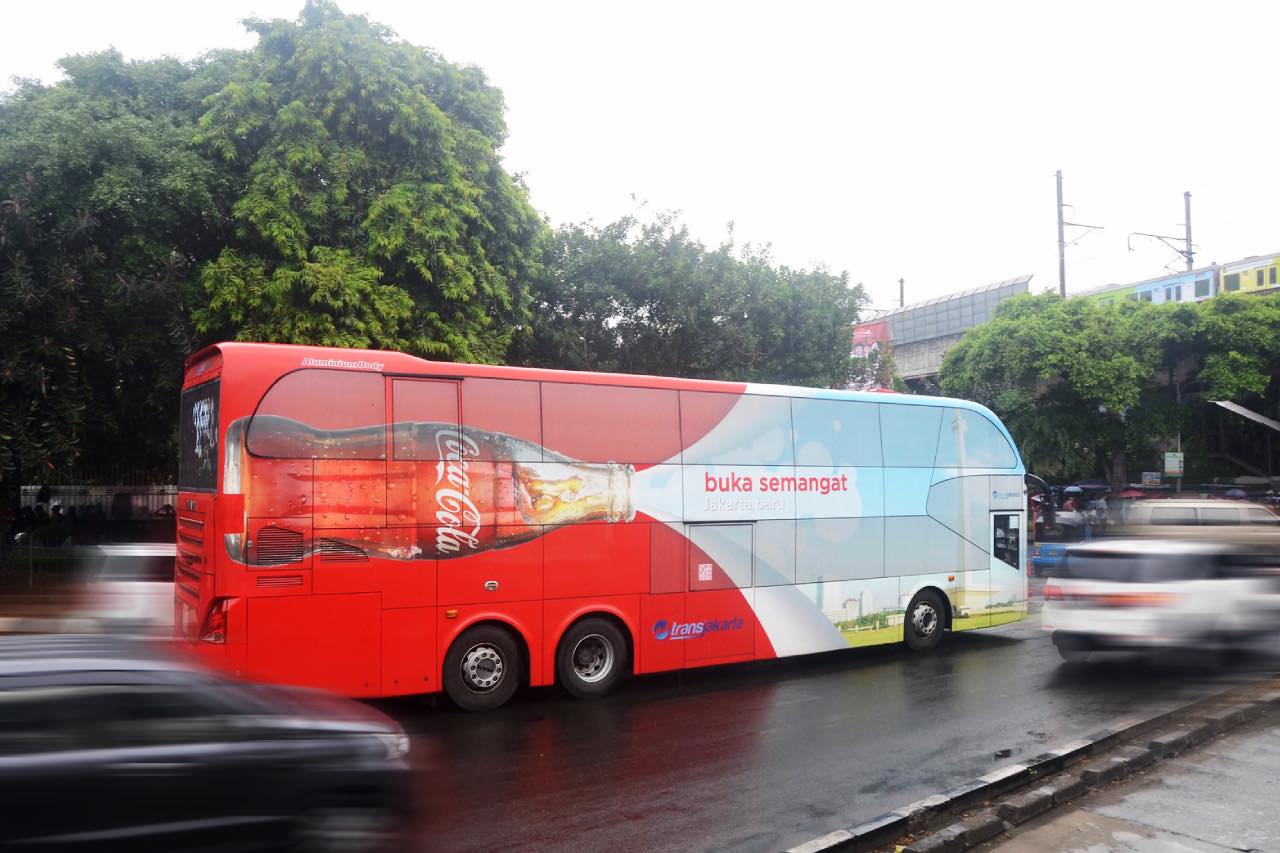
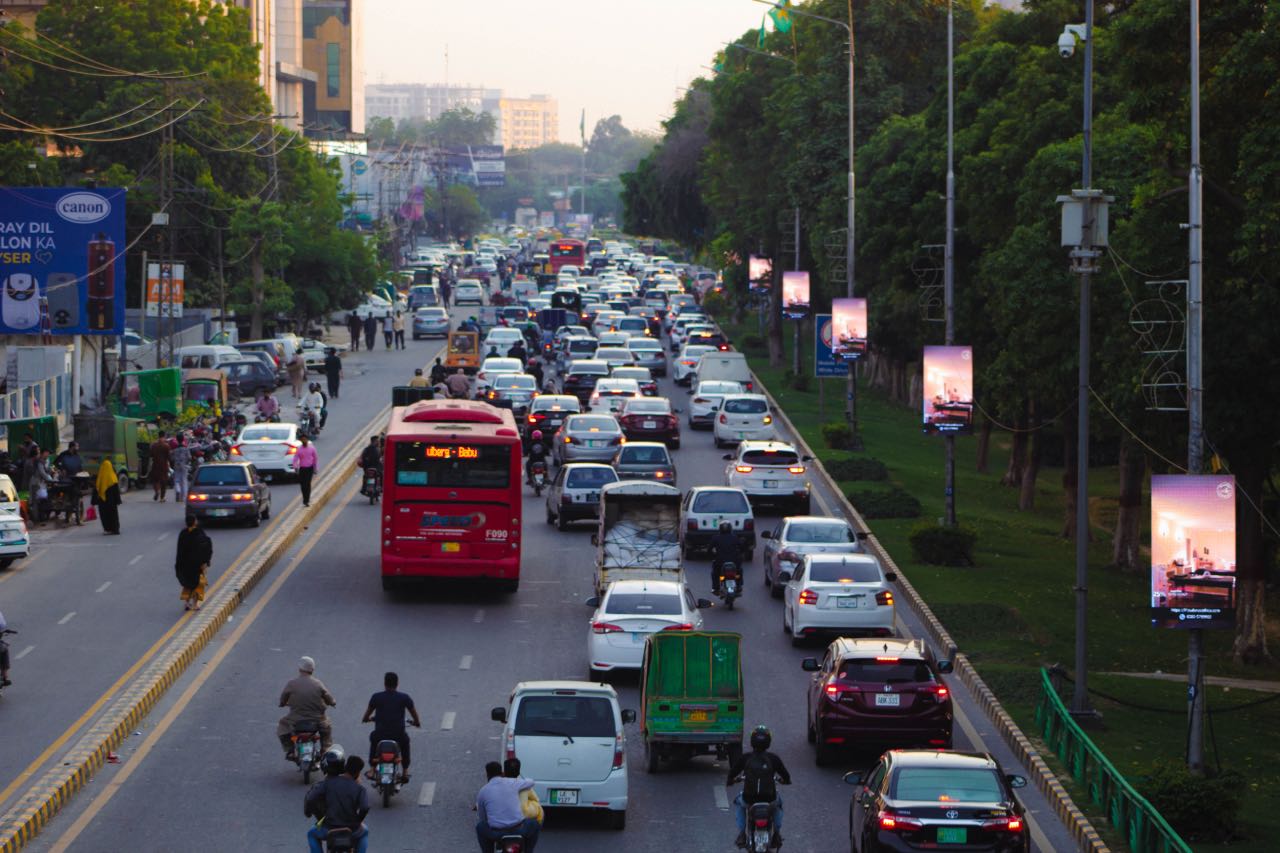
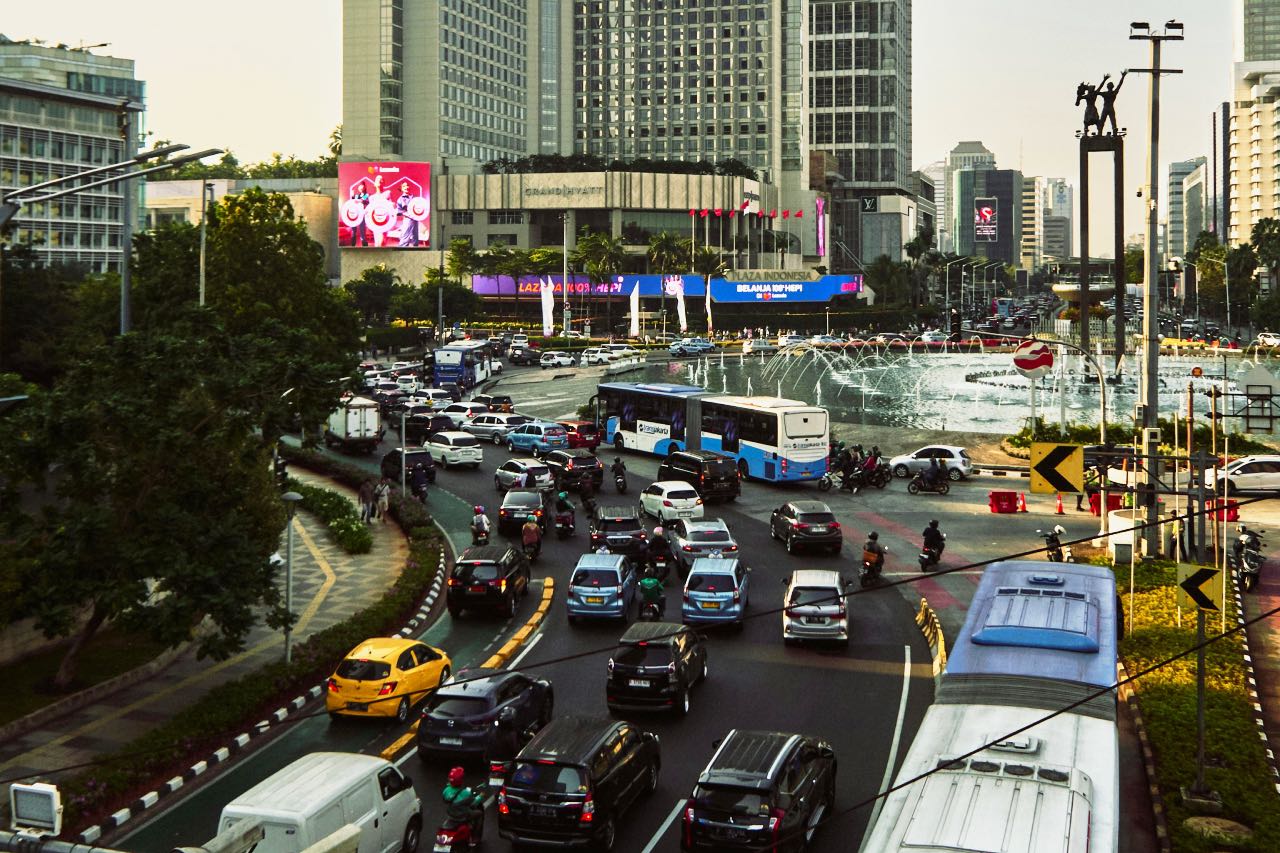
Indonesia’s biggest cities, especially Jakarta, Surabaya, Bandung, Medan, and Makassar, feature heavy daily mobility. Commuters travel through fixed corridors with dense traffic patterns. These patterns create prime opportunities for brand exposure.
OOH locations along Sudirman, Thamrin, Gatot Subroto, Rasuna Said, and major toll routes deliver continuous visibility to millions of people every day. This level of exposure is difficult for other channels to match.
Why Urban Mobility Benefits International Brands
The visibility ensures brand names become familiar even before marketing messages begin to influence behavior.
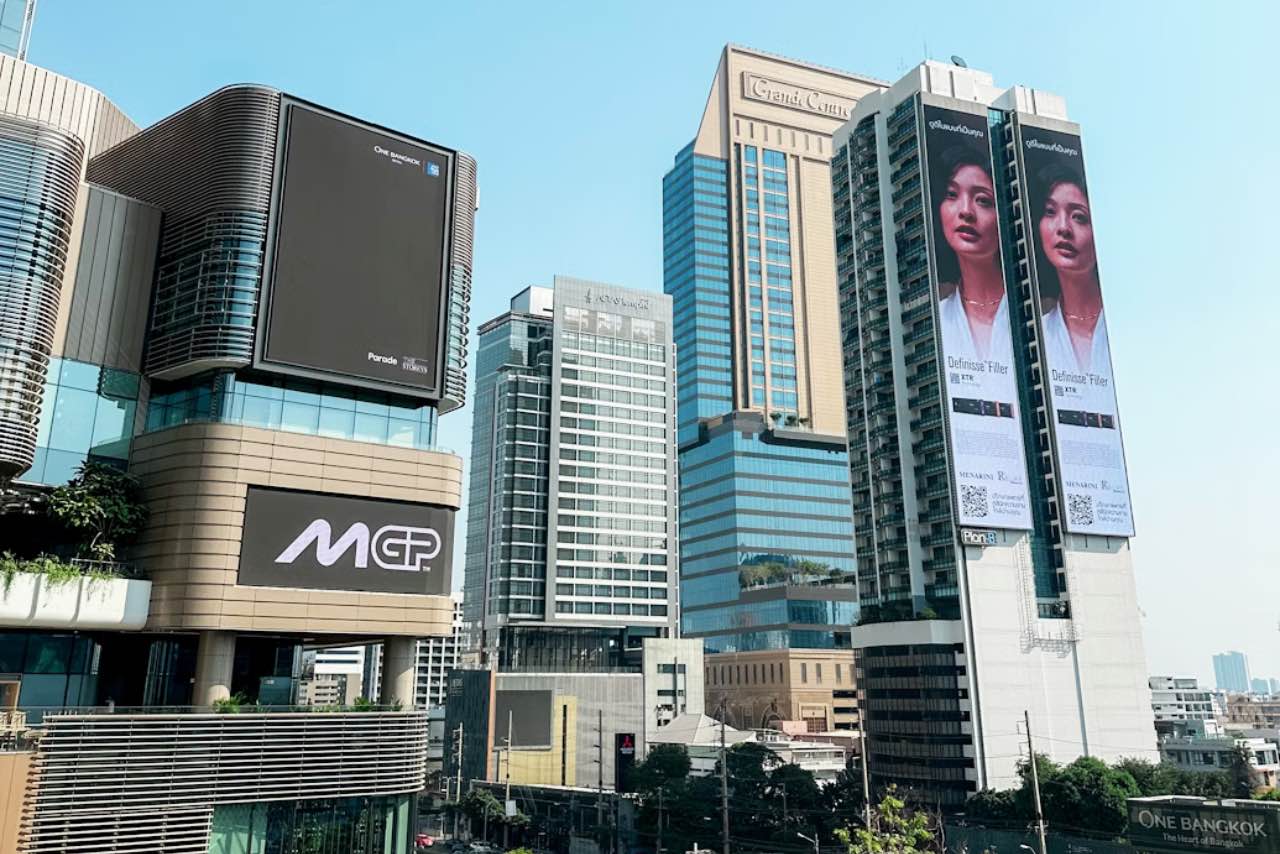
Indonesia’s mall culture remains one of the strongest in Asia. Malls function not only as shopping destinations but as lifestyle, dining, and entertainment hubs.
Middle class families frequently visit malls during weekends and evenings. This behavior makes mall based OOH extremely effective for new international brands.
High Value Touchpoints in Malls
These placements blend seamlessly into everyday consumer moments, reinforcing brand awareness and driving discovery.
Indonesia’s middle class heavily utilizes smartphones, social media, and e commerce. OOH acts as a powerful offline anchor that strengthens online search and buying behavior.
How OOH Drives Online Activity
For global brands entering the market, this synergy accelerates awareness, trust, and final purchase decisions.
Outdoor advertising is deeply ingrained in Indonesia’s urban culture. From billboards to LED screens, Indonesians are accustomed to seeing brands promoted in public spaces.
This familiarity ensures OOH messages are:
For international brands that are new to the market, this adds immediate legitimacy.
A major challenge for global brands entering Indonesia is establishing quick and widespread recognition. OOH offers a fast track to this goal.
Advantages for New Market Entrants
OOH accelerates brand entry without requiring deep cultural localization at the early stage.
Indonesia’s rising middle class is reshaping the nation’s consumer landscape. With higher income, new lifestyle aspirations, and mobility driven routines, this demographic is eager to explore and adopt global brands.
OOH stands out as the most effective channel to meet them. From citywide billboards to mall screens and retail media networks, OOH provides unparalleled reach, visibility, and influence.
For international brands looking to enter Indonesia, leveraging OOH is not just beneficial. It is strategic, efficient, and aligned with the country’s evolving consumer behavior.


by Milanello
Monday, 22 Jun 2026
Friday, 20 Jun 2025

Monday, 28 Oct 2024
Friday, 10 Apr 2026

Lestari Ads Agency - PT Lestari Dev Solusindo
Lestari Ads is a leading out-of-home media company with the largest network in Indonesia. We believe the world is a canvas. Every advertisement is an opportunity to inspire, engage, and transform public spaces. We continuously push boundaries in Out-Of-Home (OOH) advertising, changing the way brands interact with audiences beyond the digital screen, bringing stories to life where people live, move, and connect.
The most trusted OOH advertising agency in Indonesia
Experience the top of visibility with Indonesia's leading out-of-home (OOH) advertising agency. We specialize in turning the urban landscape into a dynamic canvas for your brand, crafting compelling narratives that capture the imagination of millions. Our mastery over strategic placements and innovative formats ensures your message not only reaches, but resonates with a diverse and expansive audience. With a proven track record of delivering high-impact campaigns across Indonesia's bustling cities and beyond, we redefine what's possible in OOH advertising.
Find the best quality billboard advertising space with variety of size and dimension
out-of-home advertising, digital billboards, traditional billboards, transit advertising, street furniture advertising, outdoor signage, digital ooh, led billboards, static billboards, large format advertising, advertising displays, ooh media, advertising billboards, outdoor digital screens, urban advertising, roadside billboards, digital signage, retail advertising, poster advertising, mobile billboard advertising, digital transit ads, interactive ooh, airport advertising, mall advertising, cinema advertising, sports venue advertising, digital outdoor advertising, public transportation ads, taxi advertising, bus shelter ads, pedestrian advertising, advertising kiosks, outdoor media solutions, billboard marketing, ooh advertising strategies, ooh media planning, digital billboard solutions, smart billboard advertising, contextual ooh ads, geotargeted ooh ads, location-based ooh, smart outdoor ads, programmatic ooh, data-driven ooh, brand awareness billboards, large-scale ooh campaigns, outdoor advertising effectiveness, billboard design, high-traffic billboard locations, hyperlocal ooh, street-level ooh, public transit advertising, ooh campaign management, outdoor digital displays, media buyers ooh, roadside digital ads, metro station advertising, shopping center ads, ooh advertising trends, outdoor media buying, bus wrap advertising, illuminated billboards, building wrap advertising, branded outdoor advertising, billboard networks, freeway advertising, expressway billboards, train station advertising, out-of-home advertising campaigns, event-based ooh ads, ooh media buying strategies, proximity-based ooh, national ooh campaigns, city-wide ooh advertising, large-scale outdoor campaigns, integrated ooh solutions, ooh digital networks, smart city advertising, mobile billboard solutions, dynamic outdoor ads, highway billboard advertising, ooh media optimization, digital out-of-home screens, high-impact ooh ads, retail digital signage, interactive billboard advertising, regional ooh advertising, local outdoor advertising, consumer engagement ooh, brand visibility outdoor ads, targeted billboard advertising, digital advertising screens, urban billboard advertising, weather-triggered ooh ads, motion sensor billboards, flexible ooh solutions, sustainable outdoor advertising, renewable energy billboards, solar-powered billboards, ooh for small businesses, outdoor brand activations.
Frequently Ask Questions
About Us